
Hernia Mesh Revision Settlement refers to compensation paid to patients who require corrective surgery or ongoing medical care because of complications from an implanted hernia mesh. It aims to reimburse medical expenses, lost income, and non-economic harms you (você) experienced as a direct result of the mesh failure.
📋 Neste artigo
When you (você) pursue a settlement, you are dealing with both medical recovery and complex legal issues. Claims Hernia Mesh Revision Settlement typically rely on product liability, negligence, or breach of warranty, and supporting them requires thorough medical records, surgical reports, and expert testimony. Timelines and statutes of limitations make timely action essential, and the emotional toll of repeated procedures and uncertainty often motivates claimants to seek fair compensation.
Proving causation and establishing liability means connecting the mesh defect or improper use to the specific injuries you suffered, using imaging, operative notes, explant analysis, and expert opinions. Damages Hernia Mesh Revision Settlement and settlement payouts are calculated by totaling past and future medical costs, lost wages, diminished earning capacity, and assigning value to pain and suffering, with adjustments for comparative fault and legal fees. Settlements may be structured over time and can include compensation for future care needs, so precise valuation depends on detailed evidence and experienced advocacy.
In the sections that follow, você will find clear, practical guidance on legal grounds for hernia mesh revision claims, how to prove causation, and the methods used to calculate settlement payouts. I Hernia Mesh Revision Settlement will outline the key documents to gather, common payout components, negotiation strategies, and next steps so você can make informed decisions and pursue the recovery you deserve.
Understanding hernia mesh revision claims and legal grounds
Common complications prompting revision
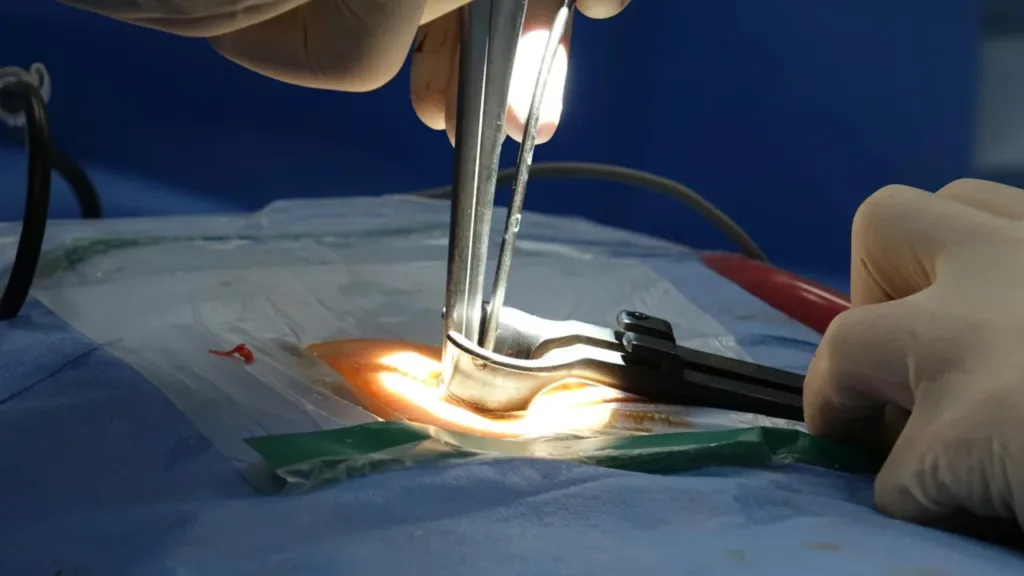
Patients who require corrective surgery often present with a predictable set of problems that justify legal action. Mesh Hernia Mesh Revision Settlement erosion into surrounding organs, mesh migration, chronic infection, and persistent pain are frequent causes for revision procedures.
Other issues include hernia recurrence, adhesions causing bowel obstruction, and fistula formation. These complications can create ongoing medical costs, disability, and reduced quality of life, factors that support claims for compensation when the mesh fails. You may be eligible for a Hernia Mesh Revision Settlement when these harms are directly attributable to the implanted device.
Product liability versus medical malpractice
It is critical to distinguish claims against manufacturers from claims against healthcare providers. A product de Hernia Mesh Revision Settlement liability claim targets design defects, manufacturing defects, or failures to warn about known risks related to the device, typically pursued against the company that made or distributed the mesh.
Medical malpractice claims focus on breaches in the standard of care during implantation, such as improper technique or failure to obtain informed consent. Both theories can overlap in a single case, but establishing manufacturer fault often depends on technical evidence about the device performance and warnings. Plaintiffs commonly pursue a Hernia Mesh Revision Settlement in product liability pathways when device design or labeling is implicated.
Statute of limitations and filing deadlines
Deadlines to file are governed by state law and vary significantly, they may be measured from the date of the surgery or from the date the injury was discovered. The Hernia Mesh Revision Settlement discovery rule can extend filing windows for latent device failures, but reliance on it is risky without timely action and documentation.
Missing statutory deadlines can bar claims, so preserve medical records, operative notes, and imaging, and consult counsel promptly. Missing deadlines can forfeit your right to a Hernia Mesh Revision Settlement. Next, we will examine how damages are calculated and the evidence needed to support recovery.
Proving causation and establishing liability

Gathering medical records and surgical history
Collecting complete hospital charts, operative reports, imaging studies, pathology results, and follow up notes is the foundation of causation. Preserve original records and obtain copies of device implant logs and explantation reports. Detailed timelines that show symptom onset relative to the implant strengthen a claim for a Hernia Mesh Revision Settlement by establishing when complications began.
Maintain a chain of custody for any removed mesh and associated specimens, and document all communications with treating clinicians and device manufacturers. Request device identifiers, lot and serial numbers, and procurement records. Early and organized collection of medical records and surgical history reduces gaps opponents may exploit.
Role of expert medical and engineering testimony
Qualified clinicians and biomedical engineers convert raw records into causal opinions admissible at trial. Surgeons explain tissue response, infection, chronic pain, and functional loss. Engineers analyze product design, materials, and failure modes. Together their reports bridge clinical findings to technical defects, which is critical for Hernia Mesh Revision Settlement negotiation.
Retention of experts familiar with regulatory standards, explant testing, and biomechanical modeling increases credibility. Use pathologists, microbiologists, and metallurgists when appropriate. Well-drafted expert reports, clear methodology, and reproducible testing help meet admissibility standards for expert testimony.
Linking mesh defects to the patient’s injuries
Causation requires demonstrating that a specific defect more likely than not caused the injury, rather than surgical technique or patient factors. Explant analysis, imaging that documents migration or erosion, histology showing chronic inflammation, and culture results are objective links. Test data showing material degradation, pore collapse, or fixation failure ties the physical failure to clinical harm and supports a favorable Hernia Mesh Revision Settlement.
Correlate symptom chronology, imaging, and intraoperative findings to exclude alternative causes. A comprehensive causation record that combines clinical, engineering, and laboratory evidence positions the case for settlement. Next, we will examine how damages are calculated and documented in pursuit of compensation.
Damages and how settlement payouts are calculated
Damages in a hernia mesh case reflect both quantifiable losses and subjective harms that affect daily life. When assembling a claim, plaintiffs and counsel itemize each cost and impact so they can be translated into monetary values, especially when seeking a Hernia Mesh Revision Settlement for corrective procedures and ongoing care.
Economic damages: medical expenses and lost wages
Economic damages cover all direct financial losses resulting from mesh failure, including past and future medical expenses, hospital bills, specialist visits, diagnostic testing, and prescription medications. Recovery also includes compensation for reduced income and diminished earning capacity, typically listed as lost wages, missed bonuses, and lost retirement contributions. Experts often total billed charges, adjust to customary rates, and produce a net present value that supports settlement negotiations for a Hernia Mesh Revision Settlement.
Non-economic damages: pain, suffering and loss of life quality
Non-economic damages address intangible harms such as chronic pain, emotional distress, and diminished quality of life caused by mesh complications. Valuing these losses can use a multiplier of economic damages or a per diem approach tied to the duration and severity of symptoms, supported by medical records and testimony. Courts and insurers evaluate these factors when determining an appropriate award in a Hernia Mesh Revision Settlement, recognizing the long-term effects on daily functioning and wellbeing.
Estimating future medical care and ongoing costs
Estimating future care requires life-care plans, expert opinions from surgeons and rehabilitation specialists, and actuarial calculations to convert projected treatment paths into present-day dollars. Analysts factor in probabilities of additional revision surgeries, chronic medication, physical therapy, and assistive devices, then apply discount rates and inflation assumptions to calculate future cost totals. Accurate forecasting strengthens settlement positions and helps determine a fair Hernia Mesh Revision Settlement amount for persistent or worsening conditions.
Next we will examine common settlement strategies and the documentation needed to maximize recovery in these claims.
Negotiation, litigation and trial considerations
Deciding when to settle versus pursue trial
Deciding whether to accept a resolution requires balancing the strength of your medical evidence, the risks of a jury outcome and the timeline for recovery. A careful economic analysis of projected medical costs, lost earnings and non-economic damages helps determine whether a settlement offer is reasonable or whether the case should proceed to trial. If complications from the mesh are clear, a well-documented file can increase leverage toward a favorable Hernia Mesh Revision Settlement.
Clients should weigh personal tolerance for risk and the desire for public vindication, as some plaintiffs pursue trial to establish liability beyond monetary relief.
Negotiation tactics, mediation and settlement conferences
Successful negotiations depend on strategic framing of damages and targeted presentation of causation. Begin with a comprehensive demand package that highlights operative reports, imaging, and expert summaries, and use a calibrated opening demand to preserve room for compromise. Mediators can be effective at narrowing disputes by reframing technical issues for lay decision makers, often improving prospects for a Hernia Mesh Revision Settlement.
Maintain flexibility on non-monetary terms, such as confidentiality or future care arrangements, to bridge gaps while keeping the core compensation goals intact.
Discovery, depositions and trial preparation
Discovery should be prioritized to obtain dispositive medical records, manufacturer communications and internal testing documents. Depositions of treating physicians and corporate witnesses are critical for locking in testimony about causation and design defects, and effective preparation anticipates adversary lines of attack. Robust trial preparation includes demonstrative exhibits, medical timelines and expert reports that translate complex device failure science into jury-friendly narratives, all of which enhance bargaining position for a Hernia Mesh Revision Settlement.
Final preparation also involves litigator rehearsals, witness prep and jury selection strategy to maximize credibility and persuasive impact.
Strong coordination between counsel, experts and the client improves outcomes. For guidance on structuring offers, present value models and post-settlement considerations, continue to the next section.
Post-settlement logistics and financial implications
Structured settlements versus lump-sum payments
Deciding between a structured settlement and a lump-sum payment affects long-term financial security and immediate access to funds. A structured de Hernia Mesh Revision Settlement arrangement spreads payments over time, which can protect government benefits, stabilize budgeting, and provide guaranteed income for future care needs related to the event.
A lump sum offers flexibility for large, up-front expenditures such as outstanding medical bills or debt repayment, including payment of medical expenses. When evaluating options, consider inflation, anticipated future surgeries, and whether monthly disbursements better align with your rehabilitation and household income needs in a Hernia Mesh Revision Settlement.
Tax considerations and reporting obligations
Compensatory damages for physical injury or sickness are generally excluded from federal income tax, but interest, punitive awards, and some non-physical damage components may be taxable. Structured Hernia Mesh Revision Settlement settlements often use tax-free periodic payments under federal law, but each element of a settlement should be reviewed for tax treatment before acceptance.
You must also account for reporting obligations to federal and state agencies, and some payers will issue 1099 forms for taxable components. Coordinate with an accountant and counsel to prepare filings and to document how payments relate to lost wages, medical costs, or non-economic losses in a Hernia Mesh Revision Settlement to avoid unexpected tax liability.
Resolving liens, subrogation and insurance reimbursements
Liens from Medicare, Medicaid, private insurers, and other third parties can significantly reduce your net recovery. Identifying and quantifying conditional payments and asserting appropriate offsets or compromises is critical, because unresolved subrogation claims can lead to future repayment demands against settlement proceeds.
Negotiation strategies include demand letters, demand for itemized billing records, and lien settlement agreements that secure clear title to funds. Maintain documentation of all payments and obligations tied to ongoing care, and involve counsel early to protect net recovery in a Hernia Mesh Revision Settlement. Next, review evidence preservation and documentation practices for continued claims management.
Conclusão
After reviewing the legal landscape surrounding hernia mesh revision claims, several core lessons stand out. Establishing viable legal grounds requires understanding product liability, negligence, and failure to warn, each supported by contemporaneous medical records and expert testimony. Proving causation typically hinges on clear medical documentation and credible expert analysis, while damages are calculated from past and future medical costs, lost income, and non-economic losses such as pain and suffering. Negotiation strategies must balance settlement certainty against the risks and potential higher awards available at trial, and post-settlement logistics demand attention to structured payments, tax consequences, and long term financial planning. These elements together shape realistic expectations for recovery and timelines.
For individuals pursuing a Hernia Mesh Revision Settlement, practical next steps begin with preserving full medical records, documenting symptoms and expenses, and obtaining independent medical evaluations when appropriate. Retain counsel experienced in mesh litigation early, engage life care planners and financial experts to quantify future needs, and evaluate offers against a detailed damages projection. Prepare for negotiation by understanding common release provisions and by calculating net recovery after fees and taxes. If litigation becomes necessary, work with your attorney to develop a trial-ready case profile, including expert reports and demonstrative evidence, to maintain leverage at the negotiating table.
If this analysis was useful, please comment with questions or share it with others facing similar issues, apply the checklist to your situation, or reach out for a case evaluation with qualified counsel. Posting experiences or concerns can help others navigating Hernia Mesh Revision Settlement matters, and sharing the article will spread practical guidance to those who need it most.
