
Offshore Rig Accident Lawyer provides specialized legal representation for workers injured on offshore platforms, helping você secure maximum compensation and navigate maritime injury laws. The right lawyer evaluates your case, preserves critical evidence, and pursues claims under statutes that apply to offshore injuries.
📋 Neste artigo
- What an Offshore Platform Injury Attorney Does and When to Contact One
- Common Types and Causes of Offshore Rig Accidents
- Legal Framework: Jones Act, LHWCA, and Offshore Liability Standards
- Evidence, Investigation, and Building a Persuasive Offshore Injury Case
- Conclusão
- Perguntas Frequentes
- What steps should I take immediately after an offshore rig accident, and when should I contact an Offshore Rig Accident Lawyer?
- How can an Offshore Rig Accident Lawyer help me recover maximum compensation for injuries sustained on a rig?
- How much compensation can I expect from an offshore rig injury claim?
- Do I need an Offshore Rig Accident Lawyer if my employer offers a quick settlement?
- What legal claims are available for offshore rig workers — Jones Act, LHWCA, or others?
- What deadlines and evidence should I be aware of when filing an offshore rig injury lawsuit?
Work on rigs and platforms is inherently hazardous, and an injury can leave você with medical bills, lost wages, and long-term disability. Beyond Offshore Rig Accident Lawyer financial strain, there is emotional stress from recovery and uncertainty about job security. A focused attorney understands these pressures and acts quickly to reduce your burden, letting you focus on healing while they manage the legal fight.
The legal landscape for offshore accidents is complex, involving employer duties, third‑party negligence, and competing statutes that affect liability and damages. An Offshore Rig Accident Lawyer experienced lawyer knows how the Jones Act, the Longshore and Harbor Workers’ Compensation Act, and offshore liability standards interact, how to gather technical and medical evidence, and how to counter common defenses. Early intervention preserves claims, deadlines, and the investigation required to prove fault and maximize recovery.
In this article você will learn what an offshore platform injury attorney does and when to contact one, the most common types and causes of rig accidents, and how the Jones Act, LHWCA, and liability standards shape your case. I Offshore Rig Accident Lawyer will outline practical steps to protect your rights and show how specialized legal strategies increase your chances of full compensation. Read on for clear, actionable guidance tailored to injured offshore workers.
What an Offshore Platform Injury Attorney Does and When to Contact One
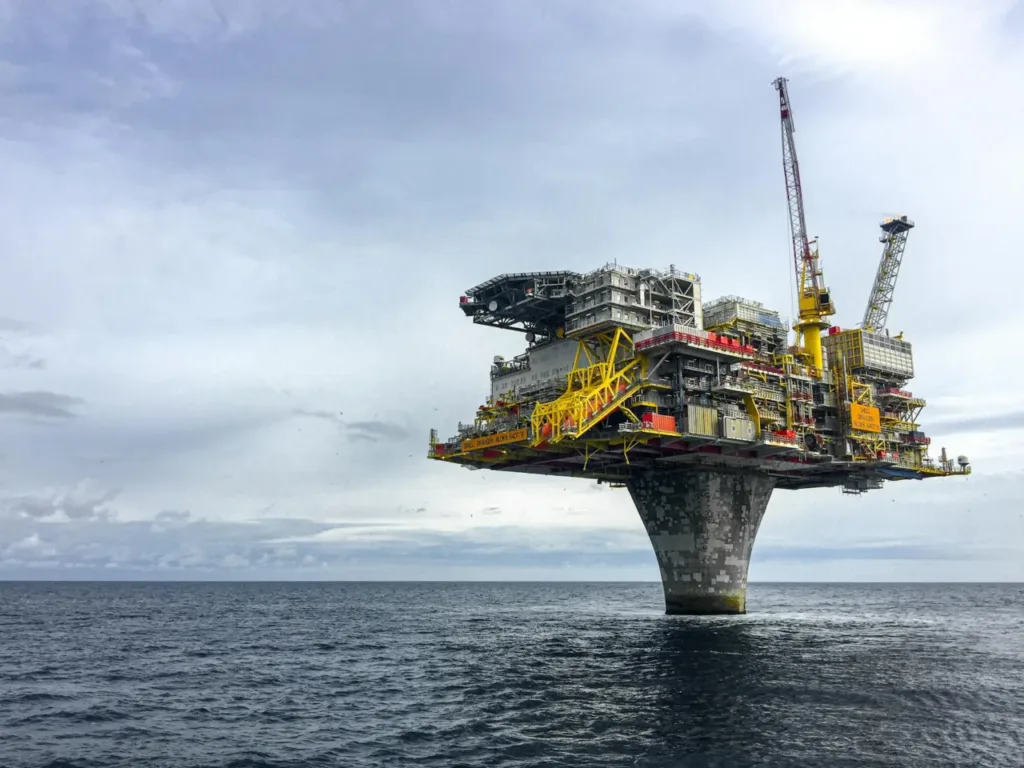
Work on offshore platforms presents unique hazards and legal complexity, and injured workers need counsel who understands both the operational risks and applicable law. An experienced attorney evaluates liability, preserves critical timelines, and maps claims to the appropriate statutes, often in coordination with medical and technical experts. A timely consultation with an Offshore Rig Accident Lawyer can protect your rights and preserve evidence.
Role and responsibilities of the attorney
The attorney investigates the incident, identifies responsible parties, and gathers documentation, including incident reports, maintenance logs, and witness statements. They act to preserve critical evidence and coordinate independent inspections when necessary. Counsel will also calculate economic and non-economic damages, file claims under the relevant statutes, and negotiate with insurers or litigate in federal admiralty court if required, with the goal of securing maximum recovery for the injured worker.
Differences between maritime and land-based representation
Maritime claims follow distinct rules and deadlines that differ from land-based workers compensation and personal injury systems. A lawyer must know how doctrines like maintenance and cure, the Jones Act, and unseaworthiness apply, and how these overlap with employer negligence claims. Insurance coverage and jurisdiction issues often complicate offshore cases, which is why an Offshore Rig Accident Lawyer brings maritime expertise that a typical land firm may lack.
Signs you should consult a lawyer immediately
Consult a lawyer if your employer restricts access to medical care, if contracts or waivers appear to limit your rights, or if evidence has not been preserved. Sudden removal from duty, pressure to sign documents, or inconsistent incident reports are red flags. Early legal involvement, particularly from an Offshore Rig Accident Lawyer, increases the chances of preserving claims and obtaining fair compensation.
Next, we will examine how compensation is calculated and Offshore Rig Accident Lawyer, which forms of evidence most strongly support offshore injury claims.
Common Types and Causes of Offshore Rig Accidents
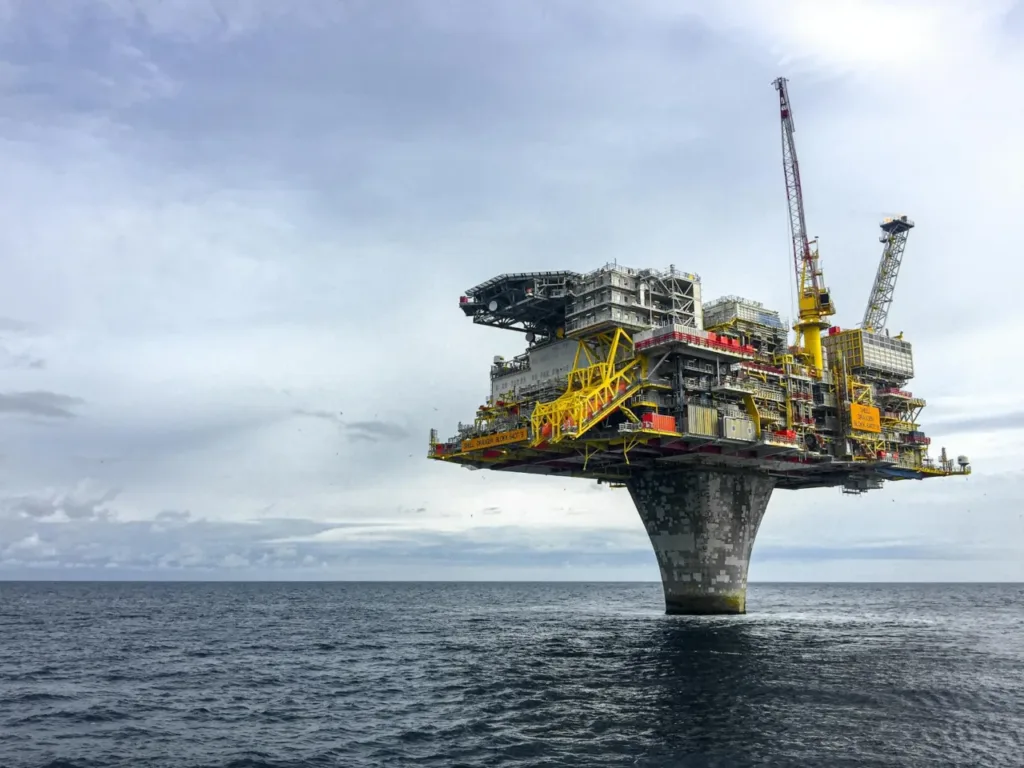
Work on offshore platforms exposes crews to multiple, often overlapping hazards. When incidents occur, understanding root causes is essential for identifying liable parties and for proper preservation of evidence, a task where an Offshore Rig Accident Lawyer often supports investigations and claim strategies.
Falls, collapses, and structural failures
Falls from height and deck collapses remain frequent sources of severe injury. Corrosion, metal fatigue, inadequate temporary scaffolding, and failure to follow safety procedures can lead to catastrophic structural failure, and these factors are commonly examined by regulators and defense experts when an Offshore Rig Accident Lawyer evaluates a claim.
Design defects and deferred maintenance also increase collapse risk. Employers Offshore Rig Accident Lawyer and third-party contractors may share responsibility, making timely documentation and witness statements crucial for any legal action pursued with counsel.
Explosions, fires, and hazardous-material incidents
Ignition of hydrocarbons, gas leaks, and improper storage or handling of chemicals trigger explosions and fires. Poor permit-to-work practices, faulty gas detection, and noncompliant hot-work procedures are recurring causes, and evidence from safety systems is often central to a case brought with help from an Offshore Rig Accident Lawyer.
Machinery and equipment malfunctions
Pump failures, winch and crane breakdowns, and inadequate guarding can produce crushing, amputation, and entanglement injuries. Lack Offshore Rig Accident Lawyer of preventive maintenance, inadequate training, and unsafe lockout-tagout implementation are common contributors, issues that an experienced attorney will probe to establish negligence and causation.
Transportation incidents: boats and helicopter crashes
Transport to and from rigs by vessel or helicopter introduces additional risks, including collisions, capsizing, and controlled-flight-into-terrain events during bad weather. Operator error, maintenance lapses, and inadequate emergency preparedness are recurring factors explored during claims, often with support from an Offshore Rig Accident Lawyer during maritime and aviation inquiries.
Each accident type involves distinct investigative and legal challenges, and the next section explains available legal remedies and how to pursue claims under applicable maritime law.
Legal Framework: Jones Act, LHWCA, and Offshore Liability Standards
Jones Act seaman claims vs. LHWCA coverage
The maritime statutory landscape distinguishes between seamen with claims under the Jones Act and those covered by the LHWCA. Seamen may pursue negligence claims against their employer for maintenance and cure, pre-injury training, and failure to provide a seaworthy vessel. Employers face a heightened duty of care and potential liability for crew negligence.
Workers who are not classified as seamen, including many platform service personnel, often fall under the Longshore and Harbor Workers’ Compensation Act. Benefits under LHWCA are administrative and no-fault, they provide wage replacement and medical care but generally bar tort suits against employers. An Offshore Rig Accident Lawyer analyzes employee status early to determine whether a negligence claim under the Jones Act or compensation under LHWCA is appropriate, and this classification drives litigation strategy.
Unseaworthiness, negligence, and third-party liability
Unseaworthiness is an absolute duty, separate from employer negligence. A plaintiff need only show the vessel or platform condition made it unfit for its intended purpose, causation, and damages. This theory can coexist with negligence claims and often broadens recovery options against vessel owners and contractors.
Third-party claims arise when non-employer entities contribute to an accident, for example contractors, manufacturers, or rig operators. Pursuing these defendants can secure full damages beyond employer remedies, and an Offshore Rig Accident Lawyer will preserve evidence, identify responsible parties, and assert product liability, negligence, or contract-based claims as appropriate.
Statutes of limitations, jurisdiction, and choice of law issues
Maritime and admiralty claims are governed by varying limitation periods, federal procedural rules, and complex choice of law questions. Jones Act claims follow federal statutes of limitations, while LHWCA claims have administrative filing deadlines, and state law may influence damages or defenses in certain suits.
Jurisdictional strategies can include federal court admiralty jurisdiction and ancillary in rem actions. Determining the proper forum and applicable law is critical, and missing a deadline can be dispositive. Consult an Offshore Rig Accident Lawyer early to protect rights and meet filing requirements. Next, we will examine evidence preservation and claim strategies.
Evidence, Investigation, and Building a Persuasive Offshore Injury Case
Preserving physical evidence and safety logs
Immediate preservation of physical evidence is critical after a platform incident. A timely site inspection, photographic documentation, and secure storage of damaged tools, PPE, and guardrails create the factual backbone of liability claims, and an safety logs review often reveals maintenance gaps or missed inspections that support negligence theories with objective records, a task an Offshore Rig Accident Lawyer coordinates early in an investigation.
Maintaining chain of custody for recovered components and fluids is essential for admissibility, so preservation letters, spoliation notices, and coordination with forensic engineers should begin within days of the event, ensuring samples and hardware withstand scrutiny during expert analysis and trial.
Medical documentation, vocational experts, and life-care planning
Comprehensive medical records drive causation and damages, from emergency room notes to MRI reports and surgeon operative summaries, and narrative letters from treating physicians help quantify permanent impairments, which an Offshore Rig Accident Lawyer will integrate into the claim strategy.
For long-term loss, life-care plans and vocational assessments translate medical findings into future cost projections, rehabilitation plans, and lost earning capacity reports, enabling economic experts to present reliable lifetime damages models that juries and insurers can evaluate objectively.
Depositions, witness statements, and expert testimony
Depositions lock in witness recollections and expose inconsistencies, so careful witness preparation and documented statements are central to undermining opposing narratives, while an attorney uses targeted questioning to develop admissions of fault, with an Offshore Rig Accident Lawyer guiding the sequence of testimony to preserve credibility.
Expert testimony in marine engineering, human factors, and occupational safety ties technical causation to corporate practices, and demonstrative exhibits, timelines, and simulations created with retained specialists convert complex evidence into persuasive courtroom narratives, positioning the case for favorable resolution and trial.
Next, we will examine damages assessment and litigation strategy to maximize recovery.
Conclusão
Reflecting on the risks and remedies connected to offshore incidents, this article highlights the essential role of a specialized attorney in translating complex maritime rules into tangible recovery for injured workers. Key takeaways include recognizing common causes of rig accidents, understanding the interplay between the Jones Act, the Longshore and Harbor Workers’ Compensation Act, and other offshore liability standards, and appreciating the evidentiary work required to build a persuasive claim. Effective representation blends immediate investigative steps, coordination with medical and technical experts, and strategic negotiation or litigation to maximize compensation for economic and non‑economic losses.
For practical next steps, prioritize immediate medical evaluation and secure contemporaneous documentation, including photos, incident reports, witness names, and medical records. Report the accident to your employer according to policy, but avoid signing statements or releases without counsel. Contact an offshore rig accident lawyer promptly to preserve statutory rights and to guide evidence collection, expert retention, and claims under applicable statutes. Your attorney will manage demand preparation, settlement strategy, and litigation options if negotiations stall, using technical experts to quantify damages and challenge defenses like comparative fault or employer immunity.
If this guidance was useful, please comment with questions, share the article with colleagues who work offshore, or apply the checklist to your situation. For case specific advice, consider a confidential consultation with an experienced offshore rig accident lawyer to evaluate potential claims and next steps toward securing maximum compensation.
Perguntas Frequentes
What steps should I take immediately after an offshore rig accident, and when should I contact an Offshore Rig Accident Lawyer?
Seek emergency medical attention first and ensure the incident is reported through the rig’s safety chain of command and written incident report. Preserve evidence by taking photos, collecting witness names, and retaining any PPE or equipment involved. Contact an Offshore Rig Accident Lawyer as soon as practicable to protect legal rights, preserve evidence, and meet reporting or notice requirements that may affect compensation.
How can an Offshore Rig Accident Lawyer help me recover maximum compensation for injuries sustained on a rig?
An Offshore Rig Accident Lawyer will conduct a thorough investigation to identify liable parties, collect medical and safety records, and engage expert witnesses to establish causation and damages. They will evaluate available legal theories—such as negligence, unseaworthiness, Jones Act claims, and maintenance and cure—and advise on the optimal claims strategy. The attorney negotiates with insurers and employers and, if necessary, litigates to pursue full economic, non‑economic, and potentially punitive damages where applicable.
How much compensation can I expect from an offshore rig injury claim?
Compensation varies widely based on injury severity, lost wages, future earning capacity, medical expenses, and non‑economic damages such as pain and suffering. Statutory benefits like maintenance and cure or LHWCA payments can provide baseline support, while Jones Act or negligence claims may yield additional damages for lost earning capacity and pain and suffering. An attorney can provide a case-specific estimate after reviewing your medical records, employment history, and liability exposure.
Do I need an Offshore Rig Accident Lawyer if my employer offers a quick settlement?
You should consult an Offshore Rig Accident Lawyer before accepting any settlement because initial offers are often limited and may not cover long‑term medical care or future lost wages. A lawyer will analyze liability, quantify future damages, and negotiate to increase the settlement or preserve your right to litigate. Accepting a quick payment without legal review can permanently waive claims and leave you undercompensated for ongoing needs.
What legal claims are available for offshore rig workers — Jones Act, LHWCA, or others?
Available claims depend on employment status and where the injury occurred; seamen may pursue negligence under the Jones Act and remedies for unseaworthiness, while certain maritime workers may be covered by the Longshore and Harbor Workers’ Compensation Act (LHWCA). Maintenance and cure is a separate, fault‑independent obligation owed by employers to injured seamen for living expenses and medical care. Complex jurisdictional and statutory interactions can affect liability and damages, so specialized counsel is essential to identify all viable claims.
What deadlines and evidence should I be aware of when filing an offshore rig injury lawsuit?
Statutes of limitations and administrative notice requirements vary by claim type — for example, Jones Act claims commonly have a three‑year limitation period, while administrative deadlines for LHWCA claims or employer notice requirements may be shorter. Preserve medical records, incident reports, witness statements, photographs, and any safety inspections or maintenance logs immediately, as these are critical to proving liability and damages. Consult an attorney promptly to ensure timely filings, proper notice, and preservation of evidence that will support maximum recovery.
