
Maritime Law Jones Act Attorney provides legal representation to seafarers injured aboard commercial vessels, helping você file negligence claims under the Jones Act to recover medical expenses, lost wages, and other damages. If você was hurt on duty, an experienced attorney focuses on proving employer negligence and safeguarding your rights through every stage of the claim.
📋 Neste artigo
- Understanding the Jones Act and seafarer eligibility
- Common maritime injuries and establishing causation
- Working with a Jones Act attorney: process and expectations
- Complex issues, remedies, and appeals in Jones Act cases
- Conclusão
- Perguntas Frequentes
- What is the Jones Act and how can a Maritime Law Jones Act Attorney help me file an injury claim?
- Who qualifies as a seafarer under maritime law for a Jones Act injury claim?
- How long do I have to file a Jones Act injury claim — what is the statute of limitations and how can a Maritime Law Jones Act Attorney assist?
- What damages can I recover in a Jones Act claim and how are they calculated?
- What evidence will a Maritime Law Jones Act Attorney gather to prove negligence in a seaman injury case?
- Can I pursue both Jones Act and third-party claims after a maritime accident?
Maritime cases combine federal statutes, admiralty principles, and complex factual investigations, so você needs counsel who understands how these systems interact. Eligibility Maritime Law Jones Act Attorney hinges on your status as a seafarer and the work-related nature of the injury, and proving causation often requires contemporaneous medical documentation, vessel records, and credible witness testimony. The emotional toll of an onboard injury can be significant, and a competent attorney will manage the legal burden so você can focus on recovery.
Common maritime injuries range from back and neck trauma to crush injuries, burns, and long-term occupational illnesses, and establishing causation means linking the incident on board to your medical condition. An Maritime Law Jones Act Attorney attorney helps preserve critical evidence, coordinates with medical and vocational experts, and challenges employer defenses that aim to minimize liability. Early legal involvement improves evidence gathering, prevents procedural mistakes, and increases the likelihood of a fair settlement or verdict.
This article delivers practical, step-by-step guidance so você can take informed action, including how to determine eligibility, document causation, and file a Jones Act injury claim. Next, we cover Understanding the Jones Act and seafarer eligibility, Common maritime injuries and establishing causation, and a Step-by-step guide to filing a Jones Act injury claim, with checklists, timelines, and negotiation tips to help você protect your rights.
Understanding the Jones Act and seafarer eligibility

If you were injured while working aboard a commercial vessel, understanding who qualifies under the Jones Act is essential to protect your rights. A Maritime Law Jones Act Attorney can evaluate whether your duties, vessel connection, and employment relationship meet the legal thresholds for a negligence claim, and guide you through the claims process.
Who qualifies as a seafarer under the Jones Act
Eligibility depends on status as a member of the vessel’s crew and a substantial connection to the vessel in navigation. Courts apply tests that examine whether your work substantially contributes to the vessel’s mission and whether your duties are linked to vessel operations. A worker who is aboard for a short mission or who performs shoreside tasks that are not integral to vessel operation may fail to qualify as a seafarer.
Employment relationship, pay arrangements, and employer control over work hours are also considered when determining eligibility, factors a Maritime Law Jones Act Attorney will analyze when preparing a filing.
Key legal protections and employer duties
The Jones Act allows injured seafarers to sue employers for negligence, seeking recovery for medical expenses, lost wages, and pain and suffering. Employers Maritime Law Jones Act Attorney owe a duty to provide a reasonably safe work environment, and to exercise care in hiring, training, and supervising crew. In addition, seafarers have rights to maintenance and cure, and remedies for unseaworthiness that can supplement negligence-based claims.
Timely investigation, medical documentation, and preservation of evidence are critical to prove fault, and a Maritime Law Jones Act Attorney routinely coordinates these tasks while asserting negligence claims against responsible parties.
How the Jones Act differs from other maritime laws
The Jones Act creates a negligence-based employer liability distinct from statutes that provide no-fault compensation, such as some longshore workers’ programs. Unlike Maritime Law Jones Act Attorney wrongful death statutes or state tort law, Jones Act claims focus on employer negligence tied to vessel operations, and federal maritime precedent shapes how courts evaluate causation and damages.
Because the Jones Act overlaps with other maritime remedies but imposes specific duties and tests, consultation with counsel experienced in federal maritime practice is important, a role fulfilled by a Maritime Law Jones Act Attorney.
Next, we will examine the evidence and documentation Maritime Law Jones Act Attorney, needed to prove employer negligence and maximize recovery.
Common maritime injuries and establishing causation
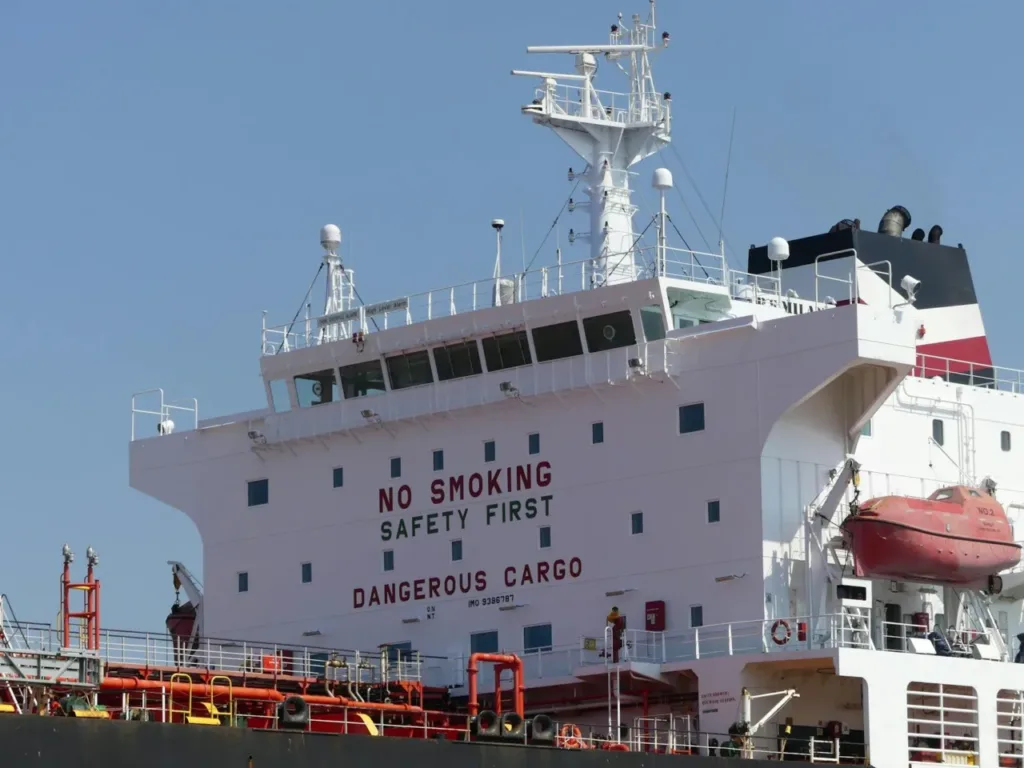
Commercial vessel work exposes crewmembers to high-risk environments where accidents and occupational exposures can produce significant harm. Recognizing typical injury patterns and the legal theories used to link harm to shipboard conditions is central to a successful claim, and a Maritime Law Jones Act Attorney can guide that process.
Frequent injury types (falls, crush injuries, exposure)
Falls on wet decks, slips in stairwells, and trips over unsecured gear cause a large share of shipboard injuries. These Maritime Law Jones Act Attorney incidents often result in fractures, soft-tissue damage, and traumatic brain injury when head impact occurs.
Crush injuries are common around heavy machinery, hatches, and cargo handling areas, producing amputations, compartment syndrome, and long-term disability. Environmental exposure, including heat stress, cold immersion, and hazardous chemical inhalation, leads to burns, respiratory disease, and systemic illness. Detailed documentation of how the injury occurred supports causation, and a Maritime Law Jones Act Attorney frequently reconstructs the sequence of events to show liability.
Proving employer negligence and unseaworthiness
To recover under negligence, claimants must show the employer breached a duty of care through inadequate training, lack of maintenance, or unsafe procedures. The Maritime Law Jones Act Attorney separate unseaworthiness claim targets the vessel itself, asserting that dangerous conditions rendered it unfit for its intended use.
Evidence can include maintenance logs, inspection reports, witness statements, and safety manuals. Causation requires linking the breach or defect to the injury in a way that is more than speculative. Practitioners often rely on scene photos and expert analysis to connect the unsafe condition to the specific harm, and a Maritime Law Jones Act Attorney coordinates those investigations.
Role of medical records and expert testimony
Medical records establish diagnosis, treatment, and prognosis, forming the factual backbone for a causation argument. Timely Maritime Law Jones Act Attorney, consistent treatment notes and objective findings such as imaging and lab results strengthen the nexus between an accident and the injury.
Expert witnesses, including maritime safety specialists, physicians, and vocational rehabilitation experts, translate technical issues into persuasive testimony about causation and future losses. Properly preserved records and expert reports make or break complex claims, and involvement of a Maritime Law Jones Act Attorney early preserves critical evidence. Next, we will examine evidence preservation and filing deadlines.
Working with a Jones Act attorney: process and expectations
Initial case evaluation and investigative steps
When you first contact counsel, the attorney will conduct an intake to establish seaman status, the circumstances of injury, and immediate medical needs. The lawyer will collect ship logs, incident reports, maintenance records, and witness statements, and coordinate independent medical evaluations while preserving evidence, a step vital for any Maritime Law Jones Act Attorney representation in complex maritime claims. Early strategies focus on identifying negligent practices aboard the vessel and potential co-defendants.
A thorough factual and legal assessment determines whether to pursue claims under the Jones Act and related statutes. Statutes of limitations and notice requirements are reviewed promptly, and counsel often sends spoliation and preservation notices to protect photography, video, and electronic records. The initial evaluation also estimates likely damages, future care needs, and potential comparative fault issues, guiding the next phase.
Negotiation and settlement strategies versus trial preparation
Most cases are resolved through settlement, where the attorney prepares a demand package that details medical records, wage loss, and future prognosis, and negotiates with insurers and vessel owners. Skilled advocates use expert reports, demonstrative exhibits, and liability theories developed during investigation to maximize value in discussions, where a Maritime Law Jones Act Attorney will weigh settlement risks and benefits against litigation prospects.
Trial preparation proceeds in parallel when settlement stalls, including written discovery, depositions of crew and company personnel, and retaining maritime safety and medical experts. Counsel will develop a litigation narrative, prepare witnesses, and estimate trial costs and timeline, ensuring readiness to try the case if offers are inadequate. The decision to accept an offer or proceed to trial rests on liability strength, damages exposure, and client objectives.
Attorney fees, contingency arrangements, and client responsibilities
Most Jones Act attorneys work on a contingency fee basis, advancing costs for experts, depositions, and travel, and recovering those expenses from settlements or verdicts. Fee arrangements and cost recoupment are explained in writing, and you should expect regular billing updates and transparent reporting from your Maritime Law Jones Act Attorney.
Clients must follow medical advice, keep detailed records, provide timely information, and cooperate with document requests and depositions. Preserving uniforms, equipment, and communications helps establish negligence. Effective collaboration shortens resolution time and improves outcomes. Next, we will review timelines and documentation you should gather to support your claim.
Complex issues, remedies, and appeals in Jones Act cases
Complex Jones Act litigation often raises mixed questions of negligence, maritime duty, and competing statutory remedies. Courts must reconcile fault allocation, concurrent claims, and procedural hurdles while keeping the seafarer’s right to compensation at the center. An experienced Maritime Law Jones Act Attorney can map these issues and advise on tactical choices that preserve recovery and minimize delay.
Comparative negligence and calculating damages
Under the Jones Act, many courts apply a comparative negligence framework that allows reduction of damages according to the plaintiff’s percent fault. The plaintiff must prove employer negligence while the defense may show seaman fault, and the jury or judge apportions fault. A Maritime Law Jones Act Attorney typically prepares expert economic and medical testimony to quantify past and future loss, working to limit reductions for comparative fault.
Calculating non-economic damages requires careful argument about pain, suffering, and loss of consortium, while future wage loss needs vocational and medical proof. Courts Maritime Law Jones Act Attorney also scrutinize mitigation efforts, liens for medical payments, and offsets from other benefits. Precise pleading and litigation strategy can preserve full recovery potential despite partial fault findings.
Concurrent or alternative claims (LHWCA, unseaworthiness, maintenance and cure)
Seamen frequently assert multiple remedies together, such as a Jones Act negligence claim alongside claims for unseaworthiness and maintenance and cure. The Longshore and Harbor Workers’ Compensation Act may also provide benefits to maritime workers who are not traditional seamen. Choosing which claims to pursue and how to present them affects evidentiary standards and potential offsets.
A Maritime Law Jones Act Attorney evaluates scope of employment, vessel status, and applicable statutes to prevent waiver of rights, to avoid double recovery, and to structure settlement negotiations. Preservation of maintenance and cure is critical, because it is a continuing obligation that predates and survives other litigation outcomes.
Appeals, enforcement of judgments, and offshore jurisdictional challenges
Appeals in Jones Act cases require attention to federal appellate standards, timeliness, and preservation of issues at trial. Judgment enforcement may involve attachment of vessel assets, execution against insurers, or recognition of foreign judgments in admiralty contexts. A Maritime Law Jones Act Attorney coordinates enforcement strategies with maritime lien and limitation counsel when necessary.
Jurisdictional disputes frequently arise over where an injury occurred, whether a plaintiff is a seaman, and the applicability of state versus federal maritime law. Offshore Maritime Law Jones Act Attorney incidents can trigger Outer Continental Shelf or maritime personal jurisdiction questions, and defendants often raise forum or removal challenges. Effective counsel anticipates these defenses and builds the record to defeat jurisdictional dismissals and to protect recovery. The following section will examine timelines, evidence preservation, and initial claim steps.
Conclusão
The Jones Act framework empowers seafarers by recognizing employer negligence and enabling recovery for work-related injuries. Key takeaways include the importance of establishing seaman status, proving employer negligence rather than only strict liability, documenting causation between onboard conditions and the injury, and understanding available remedies such as maintenance, cure, lost wages, and non-economic damages. Timely medical treatment and comprehensive evidence, including incident reports, witness statements, and expert opinions, consistently strengthen claims. Awareness of statutory deadlines and procedural rules also plays a critical role in preserving legal rights.
Practical next steps begin with prompt medical evaluation and preservation of all treatment records. Notify your employer according to company and maritime protocols, secure copies of incident reports, and collect witness contact information. Document lost earnings and any out-of-pocket expenses, and preserve clothing, equipment, and other physical evidence when possible. Consult a Maritime Law Jones Act Attorney early to assess seaman status, evaluate causation, and develop a litigation plan that addresses remedies and potential appeals. Your attorney will guide evidence collection, coordinate expert testimony, handle filings within limitation periods, and pursue settlement or trial strategies tailored to your case.
If this guidance was helpful, please comment with questions about specific facts, share the article with colleagues who work at sea, or apply these steps to protect your rights after an injury. For case-specific advice consider contacting a qualified attorney to discuss your situation and next actions. Your feedback and sharing help others navigate complex maritime claims.
Perguntas Frequentes
What is the Jones Act and how can a Maritime Law Jones Act Attorney help me file an injury claim?
The Jones Act is a federal statute that allows seamen who are injured due to their employer’s negligence to seek damages. A Maritime Law Jones Act Attorney will evaluate whether you meet the seaman status, gather evidence of employer negligence, and calculate recoverable damages. They handle statutory and procedural requirements specific to maritime courts and work with medical and vocational experts to document losses. Retaining an attorney early helps preserve critical evidence and maximize compensation.
Who qualifies as a seafarer under maritime law for a Jones Act injury claim?
A seafarer is typically a maritime worker whose duties contribute to the vessel’s mission and who has a connection to a vessel in navigation. Courts assess factors such as the percentage of time spent aboard, the nature of duties, and the worker’s relationship to the vessel. Longshore workers, harbor workers, and certain transient workers may not qualify but may have other maritime remedies. Proper classification is crucial because it determines eligibility for Jones Act protections and remedies.
How long do I have to file a Jones Act injury claim — what is the statute of limitations and how can a Maritime Law Jones Act Attorney assist?
The Jones Act generally imposes a three-year statute of limitations measured from the date of the injury or when the injury was discovered. A Maritime Law Jones Act Attorney will ensure your claim is timely filed, advise on tolling or equitable exceptions, and take immediate steps to preserve evidence and witnesses. Missing the deadline can bar recovery, so early consultation is critical. Your attorney can also coordinate related claims with state or admiralty timelines to avoid procedural pitfalls.
What damages can I recover in a Jones Act claim and how are they calculated?
Recoverable damages under the Jones Act typically include past and future lost wages, past and future medical expenses, loss of earning capacity, and pain and suffering. Courts may also award maintenance and cure for living expenses and medical care while treatment is ongoing, regardless of fault. Calculation relies on medical records, wage histories, vocational assessments, and expert testimony to project future losses. Punitive damages are rare and usually require proof of willful or wanton misconduct.
What evidence will a Maritime Law Jones Act Attorney gather to prove negligence in a seaman injury case?
An attorney will collect shipboard records, deck logs, incident reports, witness statements, safety manuals, and training records to establish negligence and foreseeability. Medical records, expert medical opinions, and vocational assessments are used to document injuries and future impairment. They may also investigate vessel maintenance logs, equipment inspection records, and personnel qualifications to show lapses in safety or maintenance. Forensic and expert testimony often converts documentary evidence into proof of causation and damages.
Can I pursue both Jones Act and third-party claims after a maritime accident?
Yes, an injured seaman can pursue a Jones Act claim against their employer for negligence and separate third-party claims against contractors, equipment manufacturers, or other negligent parties. These parallel claims require coordinated strategy to avoid double recovery and to manage settlement offsets and apportionment of fault. A skilled maritime attorney can litigate or negotiate both claims concurrently while protecting your right to maintenance and cure. Bringing third-party claims often increases recovery potential because it reaches parties outside the employer’s limited defenses.
