
Commercial Trucking Accident Lawsuit is a legal action seeking compensation for injuries, property damage, and wrongful death that result from collisions involving large commercial vehicles. It addresses complex liability issues, federal safety regulations, and the heightened damages that often accompany truck crashes.
📋 Neste artigo
Truck collisions are not just bigger car accidents, they involve different forces, specialized equipment, and regulatory frameworks that affect liability and proof. Quando Commercial Trucking Accident Lawsuit você está lidando com ferimentos graves, despesas médicas e perda de renda, a complexidade do caso aumenta e a necessidade de uma estratégia técnica e experiente se torna urgente. A pressão emocional e financeira pode ser esmagadora, e entender por que esses casos exigem investigação aprofundada ajuda você a tomar decisões informadas desde o início.
Multiple parties can be liable in a truck crash, including the driver, the carrier, vehicle owner, maintenance providers, manufacturers, cargo loaders, and brokers, each with distinct legal exposures. Para maximizar Commercial Trucking Accident Lawsuit a recuperação, você precisa de evidência essencial preservada e analisada rapidamente, como registros de ELD e motor recorder, registros de manutenção, logs de horas, relatórios de inspeção, fotos do local, depoimentos de testemunhas e dados telemáticos. A investigação técnica deve documentar causação, violação de regras e danos, e identificar falhas sistêmicas na operação ou manutenção do veículo.
Neste artigo você encontrará um roteiro prático para recuperar o máximo possível, incluindo como os casos de caminhões se diferenciam, quem pode ser responsabilizado e os passos de investigação que vencem disputas. Vou Commercial Trucking Accident Lawsuit fornecer checklist de prova, prioridades imediatas após o acidente e orientações para trabalhar com peritos e advogados, para que você possa apresentar uma reclamação robusta e orientada para resultados. Continue lendo para obter ações concretas que protejam seus direitos e aumentem a probabilidade de uma indenização completa.
How commercial truck crashes differ from car accidents
Common causes and crash dynamics
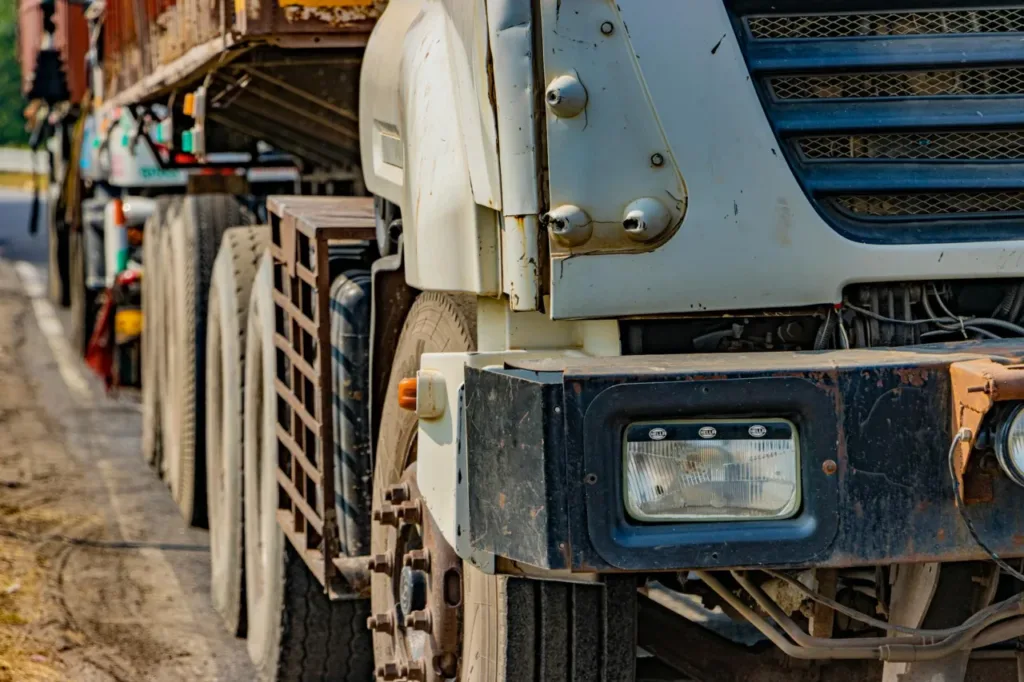
Truck crashes involve forces and dynamics that differ fundamentally from passenger vehicle collisions. Large commercial vehicles have greater mass, higher centers of gravity, and longer stopping distances, factors that amplify impact energy and raise the risk of rollovers, underrides, and cargo shift. Drivers, carriers, and manufacturers often appear in litigation when these mechanical and operational differences cause severe harm, and victims may bring a Commercial Trucking Accident Lawsuit to secure compensation for catastrophic injuries.
Human and mechanical causes also diverge. Fatigue, hours-of-service violations, improper cargo securement, brake system failures, and inadequate maintenance produce crash patterns not commonly seen in car-only collisions. The presence of hazardous materials, heavy loads, and specialized trailers alters post-crash fire, contamination, and rescue needs, complicating immediate response and subsequent forensic analysis used in a Commercial Trucking Accident Lawsuit.
Federal and state regulatory framework (FMCSA rules)
Commercial motor vehicle operations are governed by a layered regulatory regime that includes federal standards and state-level rules. The Federal Motor Carrier Safety Administration establishes driver qualification criteria, hours-of-service limits, electronic logging device requirements, vehicle maintenance rules, and inspection protocols. Compliance, or the lack of it, is often central to proving negligence, because violations of FMCSA rules can be introduced as evidence of negligence in a Commercial Trucking Accident Lawsuit.
States add licensing, weight, and routing requirements that interact with federal law, creating complex conflicts and preemption issues. Defense and plaintiff teams routinely litigate which standards apply, and regulatory records such as ELD data, inspection reports, and driver logs become critical exhibits in settlement negotiations and trial strategy.
Why liability is more complex in trucking cases
Liability in truck collisions frequently involves multiple parties, including the driver, carrier, vehicle owner, freight broker, cargo loader, maintenance contractor, and manufacturers. Vicarious liability, negligent hiring, improper maintenance, and product defect claims can all coexist, making liability determination a multi-layered process that expands discovery and requires specialized experts. This complexity is a hallmark of a Commercial Trucking Accident Lawsuit.
Investigative needs extend beyond typical accident reports. Data download specialists, accident reconstructionists, maintenance auditors, and regulatory compliance experts reconstruct timelines and chain-of-custody for documents. Those technical findings feed into causation and damages theories presented in a Commercial Trucking Accident Lawsuit. Next, we will examine how damages are calculated and what compensation options injured parties can pursue.
Who can be held liable in a truck crash
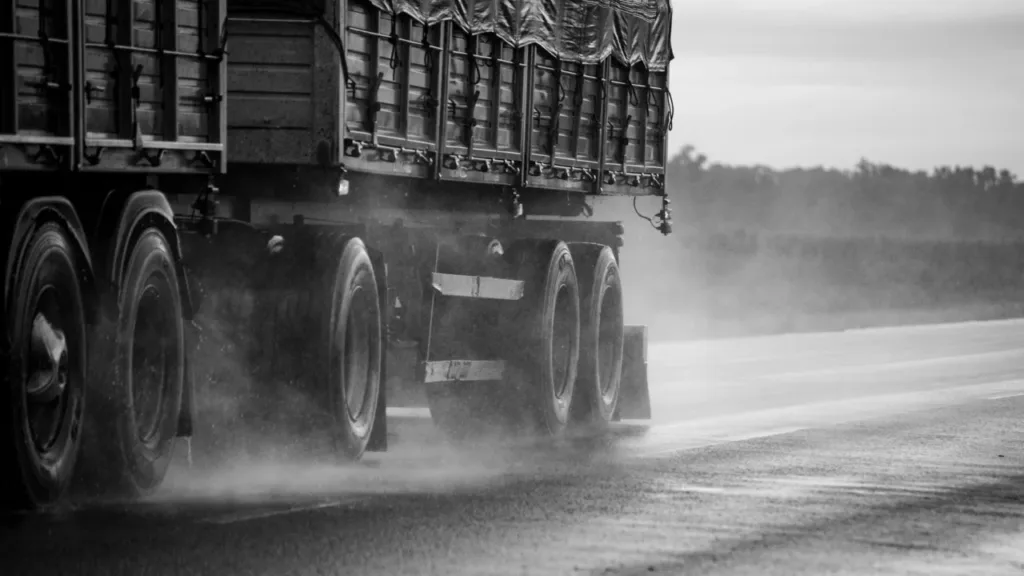
Truck collisions involve layered responsibilities, complex regulatory standards, and multiple potential defendants. A plaintiff pursuing compensation must trace negligence and regulatory violations to specific actors. In many cases a well‑prepared claim will name the carrier, the driver, and one or more third parties in a Commercial Trucking Accident Lawsuit to reflect the full scope of responsibility.
Carrier liability (vicarious and direct negligence)
Carrier liability can arise in two ways. Vicarious liability holds the employer responsible for an employee driver’s negligent acts committed within the scope of employment. This legal theory allows an injured party to recover from a company with deeper pockets, rather than limiting relief to the driver alone.
Direct negligence by the carrier includes hiring unqualified drivers, failing to perform background checks, violating hours of service policies, and neglecting safety management protocols. Evidence of poor maintenance, inadequate training, or lax compliance with Federal Motor Carrier Safety Administration rules strengthens a Commercial Trucking Accident Lawsuit by showing systemic fault rather than an isolated mistake.
Driver negligence and fatigue/impairment issues
Driver negligence is often central to causation, encompassing speeding, improper lane changes, following too closely, distraction, and driving under the influence. Proving driver fault requires reconstruction, electronic logging data, witness statements, and sometimes toxicology or cellphone records.
Fatigue and impairment raise separate statutory and evidentiary concerns, because hours‑of‑service violations, falsified logs, and stimulant or alcohol use are common in truck crashes. Demonstrating that fatigue or impairment contributed to the collision can amplify damages and create a stronger foundation for a Commercial Trucking Accident Lawsuit when combined with regulatory violations.
Third-party liability: manufacturers, shippers, loaders, maintenance contractors
Not every defendant is a person behind the wheel. Dangerous or defective vehicle components can point to manufacturers or parts suppliers. Improperly Commercial Trucking Accident Lawsuit loaded cargo or negligent securing implicates shippers and loaders, because shifting freight can destabilize rigs and cause rollovers.
Maintenance contractors and repair shops may be liable for failed or inadequate servicing. Contractual relationships, inspection records, and warranty documents often reveal responsibility. Identifying and joining these third parties is essential to address all sources of loss in a Commercial Trucking Accident Lawsuit, and it prevents plaintiffs from facing incomplete recovery.
Determining who can be held liable requires prompt investigation, preservation of evidence, and coordination among experts to prepare the next strategic steps in the claim.
Essential evidence and investigation steps for a winning claim
Preserving the scene and retrieving EDR/black box data
Secure the crash scene immediately, coordinate with law enforcement and first responders, and document positions, skid marks, and debris with timestamped photos and measurements. Preserve vehicle components and secure witness contact information to prevent loss of critical physical evidence.
Retrieve the truck’s event data recorder promptly, because on-board memory can be overwritten or lost during towing and repairs. Contact the manufacturer or a qualified technician to download EDR data, and arrange a forensic image to support a Commercial Trucking Accident Lawsuit.
Obtaining driver logs, dispatch records, and maintenance files
Collect electronic logging device records, paper logs, and dispatch communications to reconstruct duty cycles and route instructions. Obtain hiring files, driver qualification files, drug and alcohol testing records, and GPS telemetry from the fleet management system to show fatigue or noncompliance.
Seek maintenance logs, repair orders, and inspection certificates to demonstrate mechanical causation or fleet negligence, and issue preservation and discovery requests early to avoid spoliation in a Commercial Trucking Accident Lawsuit.
Accident reconstruction, witness statements, and surveillance footage
Hire an expert in accident reconstruction to analyze vehicle dynamics, brake performance, and impact forces, and to produce demonstrative exhibits for jury presentation. Collect witness statements, phone and in-cab camera footage, traffic camera video, and commercial surveillance clips to corroborate timelines.
Time-synced data, together with scene measurements and expert modeling, converts complex technical findings into persuasive evidence for a Commercial Trucking Accident Lawsuit.
Engaging medical and industry experts early
Retain medical specialists, life-care planners, and vocational experts to document causation, prognosis, and future care needs soon after the collision. Engage industry experts in trucking operations, log auditing, and human factors to interpret records and testify on regulatory violations.
Early expert engagement strengthens damages calculations and liability narratives, and is essential to successfully litigate a Commercial Trucking Accident Lawsuit.
Next, we will outline effective notice, filing, and preservation strategies for pursuing damages.
Types of damages and strategies to maximize recovery
Economic damages: medical expenses, lost wages, future care
Economic damages are the concrete, provable losses that follow a truck crash. These include immediate hospital bills, rehabilitation costs, and ongoing care, with medical expenses often forming the largest component. Accurately valuing lost wages requires payroll records, tax returns, and expert testimony to project diminished earning capacity in a Commercial Trucking Accident Lawsuit.
Future care calculations rely on procurement of treatment estimates and, where appropriate, a detailed life-care plan prepared by medical planners.
Non-economic damages: pain, suffering, loss of consortium
Non-economic losses compensate for intangible harm like pain, emotional distress, and loss of enjoyment of life. Plaintiffs typically document these injuries through medical notes, testimony from treating clinicians, and personal journals, which strengthen claims when arguing for higher awards in a Commercial Trucking Accident Lawsuit. Loss of consortium claims demand evidence of changes in household roles and marital relationship, often supported by family and mental health expert statements.
Punitive damages and bad-faith insurer conduct
Punitive damages are available when a defendant’s conduct was egregious or willfully reckless, as in cases of known safety violations or intoxicated driving. Separate bad-faith claims against insurers arise when carriers unreasonably deny or delay payments. Demonstrating a pattern of misconduct, corporate policies, or internal communications can elevate a case beyond compensatory relief in a Commercial Trucking Accident Lawsuit.
Tactics to strengthen damages claims: documentation, life-care plans, vocational experts
Thorough documentation is essential, including contemporaneous treatment records, itemized bills, and employment documentation. A comprehensive life-care plan and testimony from vocational rehabilitation experts quantify future needs and lost earning capacity, improving settlement leverage. Engage accident reconstructionists, medical economists, and treating physicians early to create cohesive, expert-backed narratives that withstand defense challenges in a Commercial Trucking Accident Lawsuit.
These strategies set the stage for effective negotiation and trial preparation, leading into discussion of litigation timelines and procedural considerations.
Navigating litigation: settlement, trial, and practical tips
Pre-suit demands and settlement negotiation strategy
Begin by drafting a clear demand that quantifies economic and non-economic losses, attaches relevant records, and states the legal theory. A focused demand letter demonstrates readiness to litigate and often prompts early offers, advancing a practical settlement strategy.
Timing matters, companies and insurers will evaluate exposure against regulatory violations tied to the crash. When negotiating, leverage federal safety data, hours-of-service logs, and driver qualifications to maximize leverage in a Commercial Trucking Accident Lawsuit.
Discovery, depositions, and managing corporate defense teams
Discovery planning should prioritize preservation of electronic data, event data recorder downloads, and maintenance logs, while coordinating forensic testing. Efficient requests reduce cost and surface the strongest liability evidence in the middle of a Commercial Trucking Accident Lawsuit.
Depositions of driver, fleet manager, and safety officer witnesses require meticulous preparation, focused exhibits, and a coordinated corporate defense response. Use Commercial Trucking Accident Lawsuit targeted discovery to control narratives, and consider engaging accident reconstruction experts early to guide questioning.
Alternative dispute resolution vs jury trial considerations
Mediation and arbitration offer faster resolution and predictability, they are useful when liability is clear but damages are contested. Assess defendant motivation and the jury profile before accepting ADR as the primary path in a Commercial Trucking Accident Lawsuit.
When a jury trial is necessary, prepare for demonstrative exhibits, witness rehearsals, and expert credibility contests. Jury Commercial Trucking Accident Lawsuit sympathy often factors into high verdicts in truck cases, so jury selection and storytelling are critical elements of trial readiness.
Statutes of limitations, preservation letters, and case timeline management
File suit within statutory deadlines, issue preservation requests immediately, and document chain of custody for all physical and digital evidence. Sending Commercial Trucking Accident Lawsuit early preservation notices preserves perishable data and supports spoliation claims in the event of destruction of evidence.
Manage the case timeline with milestone calendars for discovery cutoff, expert disclosures, and dispositive motion deadlines, this reduces surprises and protects client recovery paths in a Commercial Trucking Accident Lawsuit.
Next, we will examine expert witness selection and evidence presentation techniques to strengthen litigation outcomes.
Conclusão
Truck crashes present distinct challenges that require a strategic, evidence driven response. Key takeaways include recognizing the greater forces and complex liability networks involved, prioritizing rapid preservation of electronic and physical evidence, and understanding the full spectrum of compensable losses. A well prepared case will combine thorough investigation, targeted expert testimony, and precise damage calculations to turn those elements into leverage for maximum recovery in a Commercial Trucking Accident Lawsuit.
Practical next steps start with securing scene documentation, obtaining electronic logging device data, and issuing spoliation notices to prevent loss of evidence. Retain experienced counsel and specialized investigators early, develop a detailed damages model, and consult vocational and medical experts to substantiate future needs. Evaluate settlement offers against a realistic trial valuation, prepare demonstrative exhibits for jurors, and maintain clear communication with insurers and co defendant counsel throughout the litigation process.
If these insights were useful, consider sharing this conclusion with colleagues or posting your questions below, apply the investigation checklist to your case file, or consult a qualified attorney to review your options. Discussion helps refine strategy, so comment with your experience or share this resource to help others pursuing fair compensation after a commercial truck crash.
