
Hospital Negligence Liability describes the legal responsibility that hospitals and their healthcare teams bear when substandard care causes patient harm. It covers institutional and practitioner failures that breach the applicable standard of care, resulting in injury, prolonged treatment, or death.
📋 Neste artigo
- Defining hospital negligence: legal standards and common forms
- Parties who can be held liable in hospital negligence cases
- Building a strong hospital negligence claim: evidence and expert support
- Types of claims and damages available in hospital negligence suits
- Practical steps, timelines, and litigation strategies for claimants and defense
- Conclusão
When você searches for Hospital Negligence Liability, você is likely seeking clarity about whether a preventable outcome amounts to actionable negligence, and how the law can provide accountability. The aftermath of medical harm is often disorienting, leaving patients and families to cope with pain, lost income, and eroded trust in the healthcare system. Understanding the legal framework helps you move from confusion to a structured plan for redress and recovery.
Hospital negligence can take many forms, from surgical errors and diagnostic delays to failures in monitoring, infection control, and credentialing, and identifying the responsible parties requires careful analysis. Hospitals Hospital Negligence Liability, individual clinicians, administrative staff, and sometimes contracted entities may all bear liability under different theories of law, and knowing which applies will shape your evidence strategy. Facing a complex institution is daunting, but clear knowledge about standards, parties, and proof returns agency to você as you consider next steps.
This essential guide promises practical, actionable insight into Hospital Negligence Liability, starting with legal standards and common forms of negligence, moving to who can be held liable, and concluding with how to build a strong claim using evidence and expert support. You will find checklists, evidentiary priorities, and strategic considerations to help você assess viability, preserve critical documentation, and pursue accountability effectively.
Defining hospital negligence: legal standards and common forms
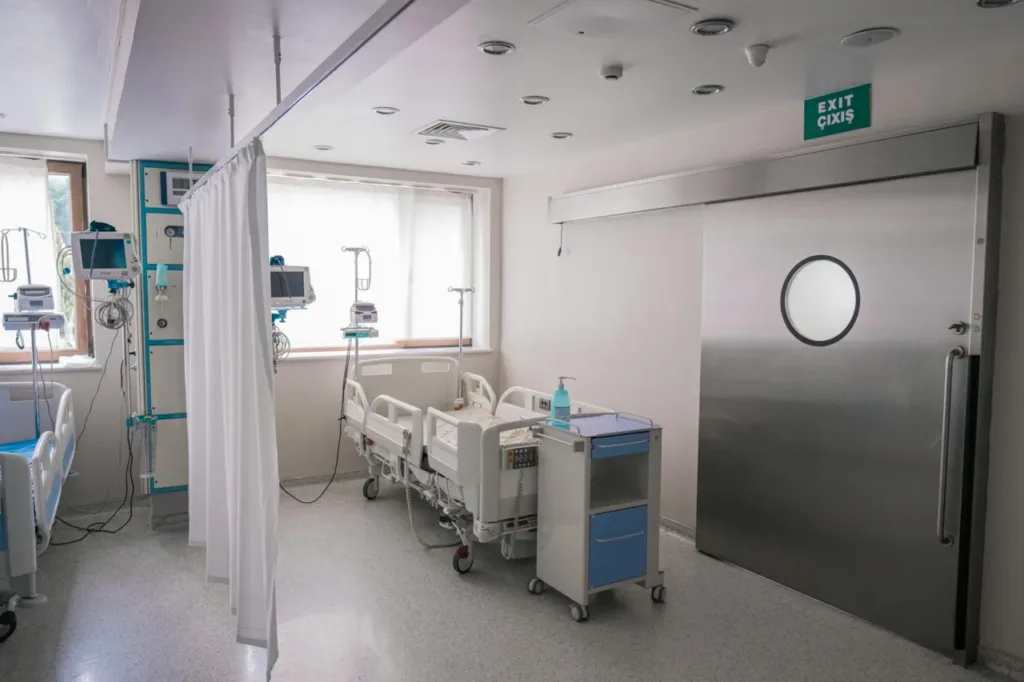
Legal definition and the hospital’s duty of care
Hospitals owe patients a duty to provide care that meets the medical community’s accepted practices. Legally, negligence occurs when an institution or a caregiver breaches that duty and the breach causes harm, such as injury, prolonged treatment, or death. Courts evaluate conduct against a prevailing standard of care to determine liability in these cases.
Establishing negligence requires proof that the hospital had a duty, that the duty was breached, and that the breach directly caused damages. Documentation, witness testimony, and expert opinions are central to proving those elements. This framework guides claims and shapes how courts assess Hospital Negligence Liability in complex clinical settings.
Hospitals can face both vicarious and direct liability, meaning they may be responsible for employees’ acts and for institutional failures, like inadequate staffing, poor protocols, or faulty equipment. When plaintiffs present credible evidence of systemic failures, adjudicators examine policies, training records, and supervision to determine the scope of Hospital Negligence Liability.
Early identification of breach points helps attorneys and risk managers address exposure. Risk assessments and corrective action plans are standard responses when potential liability emerges, and they form part of the evidentiary record in litigation over hospital care.
Common examples: surgical errors, hospital-acquired infections, medication mistakes
Surgical errors often include wrong-site surgery, retained foreign objects, or anesthesia mistakes. These events may result from communication failures, inadequate checklists, or inexperienced staffing, each of which can support claims of Hospital Negligence Liability when harm follows.
Hospital-acquired infections arise from lapses in sterile technique, environmental controls, or post-operative care. Infection clusters typically prompt reviews of cleaning protocols, hand hygiene compliance, and equipment sterilization, all relevant to establishing negligence in court.
Medication mistakes include incorrect dosing, pharmacy dispensing errors, and failures in medication reconciliation at admission or discharge. Electronic ordering systems, double-check procedures, and pharmacist oversight are common mitigation measures, and their absence can be central to liability claims.
Each of these examples shows how both individual practitioner errors and institutional deficiencies contribute to patient harm. The legal analysis links the clinical facts to the applicable standards to determine responsibility for Hospital Negligence Liability. Next we will examine the evidence required to prove causation and damages.
Parties who can be held liable in hospital negligence cases

Understanding who can be named in a suit is essential when evaluating Hospital Negligence Liability. Liability may attach to organizations, individuals, and contractual entities depending on their role in patient care, documented policies, and compliance with regulatory standards. The allocation of responsibility affects damages, insurance recovery, and corrective measures.
Hospital corporations and institutional liability
Hospital corporations face claims when systemic failures, inadequate staffing, poor policies, or defective facilities contribute to harm. Corporate liability can arise from negligent hiring, insufficient training, mismanaged equipment, or failures in recordkeeping. Plaintiffs often rely on evidence such as medical records and institutional protocols to show the breach that supports Hospital Negligence Liability.
Institutional claims frequently focus on organizational policies that produce foreseeable risks, including emergency response gaps and faulty supervision of clinical services. Courts examine whether the hospital’s oversight and quality assurance processes met the accepted standard of care, and whether corporate decisions directly caused the patient’s injury.
Individual clinicians and staff liability
Physicians, nurses, technicians, and other caregivers can be named individually when their acts or omissions depart from professional standards. Direct negligence claims require proof that the provider owed a duty, breached that duty, and caused harm, a core element of Hospital Negligence Liability.
Licensure, credentialing files, shift records, and witness testimony are typical sources of proof in individual claims. Even Hospital Negligence Liability when an institution is sued, pursuing responsible clinicians may be necessary to establish fault, quantify damages, and address professional accountability through disciplinary channels.
Vicarious liability, contractors, and corporate negligence
Hospitals can be vicariously liable for employees’ negligent acts, a principle that holds employers responsible for staff actions performed within the scope of employment. Independent contractors, such as radiologists or anesthesiologists, complicate liability analyses because control and contractual language determine responsibility in Hospital Negligence Liability cases.
Corporate negligence claims assert that the hospital itself breached duties in governance and operational oversight, separate from vicarious liability. Examining contracts, supervision levels, billing arrangements, and safety audits helps determine when a hospital, rather than an individual provider, should answer for injuries. For a detailed look at procedural requirements and typical evidence, continue to the next section.
Building a strong hospital negligence claim: evidence and expert support
Essential elements: duty, breach, causation, and damages
A valid claim requires proof of four core elements, beginning with a legally recognized duty of care owed by the hospital and its clinicians. The plaintiff must then demonstrate a breach of the applicable standard of care, showing that actions or omissions fell below what a reasonably competent provider would do under similar circumstances, with Hospital Negligence Liability evaluated in context of institutional policies and staffing levels.
Causation and damages complete the framework, where proximate cause links the breach to the injury and damages quantify harm through medical expenses, lost earnings, pain, and suffering. Courts will analyze foreseeability and scope of injuries when assigning liability, and evidence must be sufficient to satisfy the burden of proof in a negligence action involving Hospital Negligence Liability.
Collecting evidence: medical records, incident reports, and imaging
Preservation and thorough review of medical records is fundamental, because contemporaneous documentation often determines timeline, orders, monitoring, and deviations from protocol. Obtain complete charts, nursing notes, medication administration records, and handoff communications, and protect chain of custody for digital and physical files to prevent spoliation claims.
Incident reports, internal investigations, and diagnostic imaging offer corroboration, but expect defendants to assert privilege or confidentiality in some materials, subpoenas and motions to compel are standard tools. Timely imaging review by a retained radiologist can reveal missed findings and support causation in Hospital Negligence Liability claims.
Role and selection of expert witnesses and expert reports
Expert testimony translates medical facts into legal standards, establishing breach and causation for judges and juries. Select experts with relevant specialty credentials, clinical experience, and litigation history, because credibility and clarity of opinion often determine case outcomes, particularly in complex Hospital Negligence Liability matters.
Drafting defensible expert reports requires a clear factual foundation, methodical application of accepted medical standards, and explicit causation opinions tied to evidence. Anticipate Daubert and Frye challenges, prepare categorical opinions with reasonable degree of medical certainty, and create trial-ready exhibits that simplify technical concepts for factfinders.
Thorough evidence gathering and careful expert selection set the stage for settlement negotiations or trial preparation, and the next section will address strategic timelines and procedural steps.
Types of claims and damages available in hospital negligence suits
When patients or families pursue remedies after substandard care, they encounter distinct legal categories of claims and damages. Courts distinguish between claims that seek compensation for injury and those that seek recovery for death, while also parsing economic, non-economic, and punitive awards in line with statutory and case law. Plaintiffs must articulate the theory of liability and the scope of recoverable losses under Hospital Negligence Liability in the pleadings and discovery.
Medical malpractice vs wrongful death claims
Medical malpractice claims focus on breach of the applicable standard of care by clinicians or the hospital as an institution, and require proof of causation and specific injuries. A successful malpractice verdict compensates the injured patient for harms caused by negligence, and may include past and future medical costs, lost earnings, and pain and suffering. When an injury results in death, families typically bring a wrongful death action on behalf of survivors, and the calculation of damages shifts to loss of support, funeral expenses, and the decedent’s pre-death pain and suffering under Hospital Negligence Liability.
Economic damages, non-economic damages, and punitive awards
Economic damages cover quantifiable losses, such as medical bills, rehabilitation, lost wages, and diminished earning capacity. Non-economic damages compensate for subjective harms like pain, emotional distress, and loss of consortium, and are often capped by statute in certain jurisdictions. Punitive awards are rare, reserved for cases where conduct demonstrates malice or reckless indifference, and they serve to punish and deter conduct beyond compensatory purposes within the framework of Hospital Negligence Liability.
Claims for long-term care, disability, and future medical expenses
Claims that involve permanent impairment require thorough life-care planning, vocational assessment, and expert testimony to project future medical expenses and support needs. Courts will examine evidence to quantify ongoing care costs, assistive devices, home modifications, and attendant care, and may award damages for lost quality of life. Properly framed claims for long-term care and disability are critical to securing funds that match the plaintiff’s life-long needs under Hospital Negligence Liability.
Understanding these categories guides evidence collection and expert engagement, and sets expectations for settlement versus trial strategies. The Hospital Negligence Liability next section will address statutes of limitation and procedural prerequisites that affect the timing and viability of claims.
Practical steps, timelines, and litigation strategies for claimants and defense
Filing deadlines, statutes of limitations, and pre-suit notice requirements
Begin with an immediate review of applicable statutes and institutional policies. Many jurisdictions impose strict deadlines, and failure to comply with a state’s statute of limitations or pre-suit notice rules can extinguish a claim. Plaintiffs should calendar all deadlines, and defense counsel should verify the computation of accrual dates and tolling events to control exposure.
Document preservation must be initiated without delay, including subpoenas where permitted and prompt requests for production of medical records. Missing or delayed discovery increases costs and can prejudice defenses in cases alleging Hospital Negligence Liability, so both sides should prioritize custody chains and forensic imaging where relevant.
Settlement negotiations, mediation, and trial strategy
Early case assessment drives strategy, using causation and damages analyses to set realistic valuation ranges. Settlement negotiations often hinge on expert reports and demonstrable breaches of care, and successful negotiation plans coordinate clinical, economic, and liability experts to shape plaintiff and defense positions about Hospital Negligence Liability.
Mediation is effective when parties have exchanged key expert opinions and evidentiary roadmaps. If mediation fails, prepare for trial by refining witness lists, demonstrative exhibits, and jury themes that translate technical failures into understandable harm narratives. Defense strategy should emphasize system interventions and comparative fault where supported by facts.
Reporting obligations, patient advocacy steps, and hospital risk-reduction measures
Hospitals must comply with mandatory reporting to regulators and internal incident reporting systems, and those reports can affect both administrative sanctions and litigation. Patient advocates should assist in obtaining records, independent reviews, and second opinions, because transparent documentation reduces contested factual issues in claims of Hospital Negligence Liability.
Risk reduction includes root cause analysis, targeted staff training, and protocol modifications that address identified failures. Implementing corrective actions and documenting them can mitigate liability and inform settlement posture, while preserving patient safety and institutional reputation. The next section will examine evidentiary priorities and expert witness selection in more detail.
Conclusão
Ensuring accountability in healthcare requires a clear grasp of legal standards and practical evidence. Key takeaways include how Hospital Negligence Liability is assessed under duty, breach, causation, and damages, the common forms of negligence such as surgical errors, medication mistakes, infections, and diagnostic failures, and the array of potentially liable parties from individual clinicians to institutional administrators and contracted providers. Successful claims rest on timely preservation of records, corroborating expert testimony, rigorous causation analysis, and accurate valuation of economic and non-economic losses. Procedural timelines, notice requirements, and jurisdictional immunities directly influence case strategy and realistic recovery expectations.
Practical next steps include collecting complete medical records, incident reports, and billing statements, documenting the chronology of care and observable injuries, preserving physical and digital evidence, and securing witness names and roles. Retain counsel experienced in Hospital Negligence Liability early, engage qualified medical experts for causation and standard of care opinions, consider independent medical examinations, and obtain forensic accounting for economic damages. Meet statute of limitations and notice deadlines, evaluate alternative dispute resolution options while preparing for litigation, and anticipate common defense tactics so evidence and expert testimony are trial ready.
If this guide was useful, consider sharing it with colleagues, leaving a comment with questions or experience, or applying the checklist to assess your matter. For case-specific guidance consult a qualified attorney to evaluate liability, damages, and next steps, and use this framework to strengthen efforts to hold hospitals accountable.
