
Emergency Room Misdiagnosis Lawsuit is a legal claim brought when a patient is harmed by a diagnostic error, missed diagnosis, or delayed diagnosis in an emergency department. It seeks compensation for medical expenses, lost income, pain and suffering, and other damages caused by the misdiagnosis.
📋 Neste artigo
- Understanding emergency room misdiagnosis: common causes and examples
- How to recognize you were misdiagnosed in emergency care
- Gathering evidence for an emergency misdiagnosis claim
- Legal steps: filing a misdiagnosis lawsuit and procedural considerations
- Calculating and maximizing damages after an ER misdiagnosis
- Conclusão
- Perguntas Frequentes
- What qualifies as medical malpractice in an Emergency Room Misdiagnosis Lawsuit?
- How do I prove negligence in an Emergency Room Misdiagnosis Lawsuit?
- What damages can I recover in an Emergency Room Misdiagnosis Lawsuit?
- How long do I have to file an Emergency Room Misdiagnosis Lawsuit?
- Do I need an expert witness for an Emergency Room Misdiagnosis Lawsuit?
- Can I file a claim if my ER misdiagnosis caused delayed treatment but I was also partly at fault?
Emergency departments are high pressure environments where incomplete histories, atypical presentations, rushed evaluations, testing limitations, and human error can all contribute to misdiagnosis. Common Emergency Room Misdiagnosis Lawsuit examples include missed stroke, heart attack, sepsis, pulmonary embolism, and ruptured appendicitis, each carrying the risk of long term harm or death. If você felt dismissed, experienced a sudden deterioration, or received conflicting explanations from clinicians, those emotional responses are valid signals that something went wrong and should be investigated.
Recognizing a misdiagnosis often starts with persistent or worsening symptoms, unexpected complications, or test results that were not acted upon appropriately. For Emergency Room Misdiagnosis Lawsuit an effective claim você will need clear documentation, timely medical records, diagnostic imaging, provider notes, and witness accounts, plus an expert medical opinion that links the error to your harm. Preserving evidence early, avoiding inflammatory statements, and securing an independent review are critical steps to protect your claim.
This article will give você practical guidance to recover damages, starting with an in depth look at common causes and examples, then how to recognize misdiagnosis, and how to gather and preserve the evidence courts expect. I will outline the claims process, typical damages you can pursue, timelines and statute of limitations, and a checklist of concrete actions você can take right now to strengthen your Emergency Room Misdiagnosis Lawsuit.
Understanding emergency room misdiagnosis: common causes and examples

Typical conditions misdiagnosed in the ER
Emergency departments commonly misidentify life-threatening conditions that present with nonspecific symptoms. Examples Emergency Room Misdiagnosis Lawsuit include pulmonary embolism, stroke, acute myocardial infarction, sepsis, and abdominal catastrophes such as perforated viscus. These misreads can stem from atypical presentations or overlapping signs with less severe illnesses.
Missed or delayed recognition of these diagnoses often leads to litigation when harm occurs, for example a missed stroke that results in permanent disability and an Emergency Room Misdiagnosis Lawsuit. Counsel and clinicians will examine whether standards of care and **medical negligence** played a role.
System and human factors that lead to errors
Diagnostic errors in the ER often reflect both system failures and human limitations. High Emergency Room Misdiagnosis Lawsuit patient volume, inadequate handoffs, limited access to prior records, and interruptions increase the risk. Cognitive biases, such as anchoring on an initial diagnosis or premature closure, further degrade decision making.
Equipment delays, understaffing, and poor communication between emergency and consulting teams create opportunities for missed diagnoses, sometimes prompting an Emergency Room Misdiagnosis Lawsuit when harm could have been prevented. Understanding these systemic contributors is essential to risk mitigation and quality improvement.
How diagnostic errors differ from treatment errors
Diagnostic errors involve the failure to establish an accurate and timely explanation of the patient’s health problem. Treatment Emergency Room Misdiagnosis Lawsuit errors occur after a diagnosis is made and involve incorrect execution of therapies, dosing mistakes, or failure to monitor. The two can overlap, but they trigger different legal and clinical analyses.
In litigation, proving causation in an Emergency Room Misdiagnosis Lawsuit requires showing that the incorrect or delayed diagnosis, not just the treatment, led to measurable harm. The next section will address evidence, timelines, and legal requirements for these claims.
How to recognize you were misdiagnosed in emergency care
Medical signs and delayed or worsening symptoms
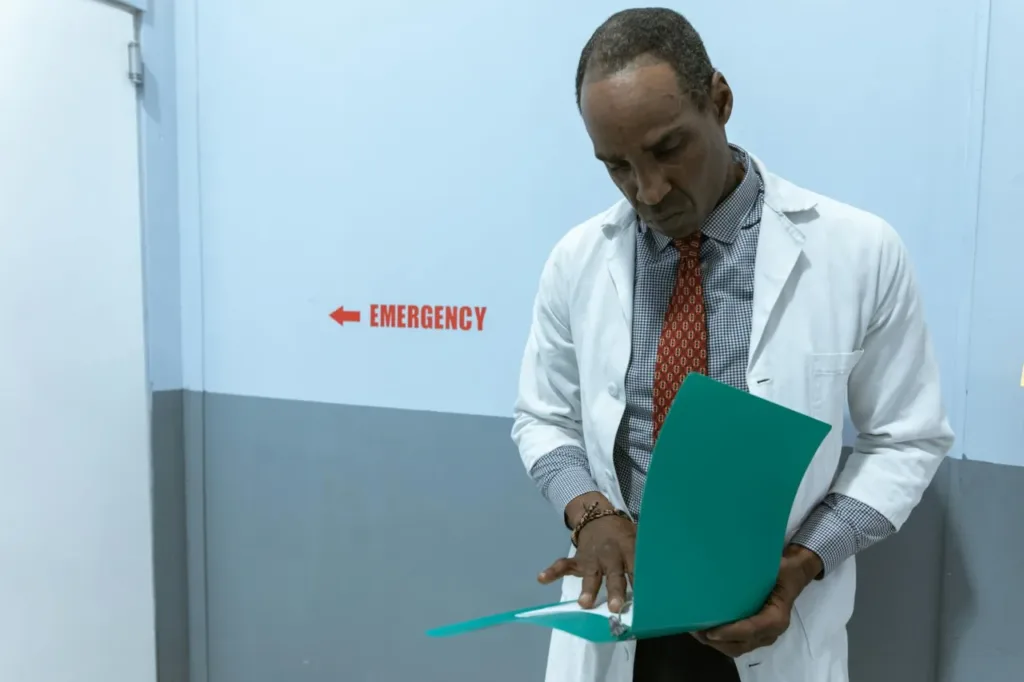
Persistent or worsening symptoms after an emergency visit are the most immediate red flags. If Emergency Room Misdiagnosis Lawsuit new signs emerge or previously controlled pain escalates despite treatment, this can indicate a missed or delayed diagnosis. Examples include progressive neurological changes after a head injury, increasing abdominal pain after discharge, or unexplained shortness of breath that develops hours to days later.
Document changes carefully, including symptom onset, severity, and any new findings. Such clinical progression forms the basis for evaluating causation, and can be critical evidence when pursuing an Emergency Room Misdiagnosis Lawsuit.
Reviewing your ER records and timeline of care
Obtain a complete copy of the emergency department chart, imaging reports, test results, and nursing notes. Review Emergency Room Misdiagnosis Lawsuit timestamps for triage, physician evaluation, orders, and discharge. Discrepancies between documented complaints and treatments, delays in ordering key tests, or missing diagnostic reasoning can point to substandard care.
Consider getting a clinician to review the record for omissions or departures from accepted practice. A clear, annotated timeline of care strengthens a claim and supports expert review in an Emergency Room Misdiagnosis Lawsuit. Keep copies of all correspondence and bills related to subsequent treatment.
When to get a second medical opinion
Seek a second medical opinion promptly if symptoms persist or if the diagnosis remains uncertain. Choose Emergency Room Misdiagnosis Lawsuit a specialist aligned with your presenting condition, for example a neurologist for stroke-like symptoms or a surgeon for abdominal emergencies. A prompt reassessment can identify missed red flags and prevent further harm.
If the second opinion identifies a condition that was likely present during the ER visit but missed, document that conclusion in writing. This medical corroboration often becomes pivotal in discussions about liability, and may support filing an Emergency Room Misdiagnosis Lawsuit. For guidance on next steps, consult both medical experts and legal counsel who specialize in ER diagnostic errors.
Next, learn how damages are calculated and what evidence is required to file a formal claim.
Gathering evidence for an emergency misdiagnosis claim
When preparing a claim, the initial evidence-gathering phase determines case viability. Start by mapping timelines, identifying treating clinicians, and listing all encounters related to the incident. Accurate organization of materials makes it easier to show how a missed or delayed diagnosis led to harm, and it supports the damages asserted in an Emergency Room Misdiagnosis Lawsuit.
Requesting and organizing medical records and test results
Request complete records from every facility and provider involved, not only the emergency department. This includes triage notes, nursing flowsheets, physician notes, imaging, lab reports, dispatch records, and transfer documentation. Use a checklist to ensure nothing is omitted and request records in both paper and electronic form when available.
Label and index each document chronologically, and create a timeline that highlights discrepancies between symptoms, tests ordered, and clinician conclusions. Collect original films or digital imaging files when possible, and preserve chain of custody for all items so they are admissible in an Emergency Room Misdiagnosis Lawsuit.
Documenting injuries, costs, and lost income
Photograph physical injuries at regular intervals and keep a dated diary of symptoms, treatments, and functional limitations. Secure bills, receipts, and detailed invoices for medical care, equipment, travel, and home modifications claimed as damages. Maintain wage records, tax returns, and employer statements documenting missed shifts and reduced earning capacity.
Produce a consolidated damages summary that ties each expense to a corresponding medical entry or provider action. That summary helps jurors and adjusters understand the economic impact, and it strengthens causation arguments in an Emergency Room Misdiagnosis Lawsuit.
Securing expert medical opinions and witness statements
Identify qualified experts in the relevant specialty who can opine on standard of care, breach, and causation. Provide them with the compiled medical record, imaging, and the damages summary, and request written reports that anticipate defense arguments. A persuasive expert report is often the linchpin of an Emergency Room Misdiagnosis Lawsuit.
Collect witness statements from treating staff, family members, and any bystanders who observed the patient during the emergency visit. Document deposition availability and preserve contemporaneous statements. Combine signed witness accounts with expert testimony to create a coherent narrative of clinical error and resulting harm.
Throughout every step, maintain clear logs of requests, responses, and deadlines, and secure legal counsel to meet procedural requirements for disclosure and admissibility, setting the stage for the next phase of litigation.
Legal steps: filing a misdiagnosis lawsuit and procedural considerations
Statutes of limitations and filing deadlines
Each state imposes specific time limits to bring a claim, and missing a deadline can bar recovery. Courts apply tolling rules when injury or fault was not reasonably discoverable, and some jurisdictions allow special extensions for minors or incapacitated plaintiffs. Early consultation with counsel is crucial to preserve claims under the statute of limitations, and to determine when the clock starts running for an Emergency Room Misdiagnosis Lawsuit.
Identifying proper defendants and claim types (negligence, malpractice)
Proper defendants may include emergency physicians, nurses, physician groups, hospitals, and corporate emergency department managers, depending on employment and credentialing relationships. Claims against individual clinicians are typically pled as negligence or medical malpractice, and claims against hospitals can allege negligent hiring, supervision, or vicarious liability for staff actions. Establishing that the defendant breached the standard of care and that the breach caused injury is essential for an Emergency Room Misdiagnosis Lawsuit to proceed.
Pre-suit requirements, discovery, settlement negotiations, and trial
Many states require pre-suit notices, expert affidavits, or administrative review before filing, a procedural step that tests the sufficiency of the claim. Preservation of evidence is critical, obtain and secure medical records and imaging early, and issue spoliation letters when appropriate. During discovery parties exchange documents, depose treating providers and experts, and narrow disputed facts ahead of dispositive motions.
Settlement negotiations often begin after initial discovery, with mediation used to evaluate liability and damages. If settlement fails, trial preparation involves expert designation, jury instructions, and trial exhibits, with plaintiff proof focused on causation and damages. An Emergency Room Misdiagnosis Lawsuit therefore demands coordinated expert testimony and strict adherence to procedural rules to survive motions and to present evidence at trial.
Understanding filing deadlines, defendants, and the phases from pre-suit through trial shapes case strategy and informs settlement decisions, leading into practical guidance on proving causation and calculating damages in the next section.
Calculating and maximizing damages after an ER misdiagnosis
Economic damages: medical bills, rehabilitation, and lost wages
Economic damages quantify the direct financial losses caused by a missed, delayed, or incorrect diagnosis. Documented items include emergency room bills, imaging and lab costs, specialist consultations, rehabilitation expenses, durable medical equipment, and home modifications. Accurate accounting of these items starts with organized billing statements and contemporaneous treatment records, including medical records and receipts.
Lost wages and diminished earning capacity are calculated by comparing pre-injury income to post-injury earnings, projecting future losses with vocational and economic experts. In building a claim, detailed receipts and expert testimony are essential to proving past and future costs in an Emergency Room Misdiagnosis Lawsuit, and courts will discount speculative amounts absent credible projections.
Non-economic damages: pain, suffering, and loss of enjoyment of life
Non-economic damages compensate for physical pain, emotional distress, and loss of life enjoyment. These harms lack invoices, so claimants use medical records, therapist statements, daily journals, and testimony from family or employers to demonstrate impact. Insurers and juries commonly use multiplier or per diem methods to convert objective losses into a monetary value.
Quantifying these damages requires consistent medical documentation and corroborating evidence that links symptoms to the misdiagnosis. Courts and insurers often assess non-economic awards within an Emergency Room Misdiagnosis Lawsuit using multipliers that reflect severity, permanency, and the credibility of the claimant.
Punitive damages and factors that increase recovery
Punitive damages punish egregious conduct and are not available in every case. They typically require a showing of gross negligence, recklessness, or intentional misconduct by medical staff or the facility. Evidence of protocol breaches, documented safety violations, or a pattern of similar errors strengthens a punitive damages claim.
Punitive awards may be available in exceptional cases of reckless disregard as part of an Emergency Room Misdiagnosis Lawsuit, and factors that increase recovery include concealment of errors, repeated failures to follow accepted standards, and lack of corrective action from the hospital.
Working with attorneys: fees, contingency arrangements, and evaluating settlement offers
Most plaintiffs hire attorneys on contingency, meaning fees are a percentage of the recovery and out-of-pocket costs are advanced by the firm. Typical contingency rates range by jurisdiction and case complexity, and fee agreements should be reviewed for expense reimbursement rules and net recovery calculations. An experienced plaintiff attorney can frame damages effectively in an Emergency Room Misdiagnosis Lawsuit and explain how fees will affect the final award.
Evaluating settlement offers requires comparing net present value, tax considerations, structured settlement options, and the likelihood of success at trial. Counsel should run economic models, consult experts, and review risks before advising acceptance. Preserve critical evidence and understand the statute of limitations in your state to avoid forfeiting recovery.
With damages quantified and counsel engaged, the next section explains how to gather and preserve critical evidence for your claim.
Conclusão
Reflecting on emergency care misdiagnosis, the core lesson is that timely recognition, meticulous documentation, and expert assessment can mean the difference between a recoverable claim and lost remedies. Common causes such as cognitive bias, inadequate diagnostic testing, and communication failures highlight systemic vulnerabilities in emergency departments. Practical takeaways include knowing typical misdiagnosis patterns, insisting on clear discharge instructions, preserving all medical records, and documenting symptoms and timelines. These steps form the foundation of any credible claim and help quantify the harm caused by diagnostic errors.
For practical next steps, begin by securing your complete emergency department records, imaging and lab results, and discharge summaries, then obtain contemporaneous notes and witness contact information. Consult a qualified medical malpractice attorney early to evaluate whether an Emergency Room Misdiagnosis Lawsuit is viable, to identify required expert witnesses, and to calculate economic and non-economic damages. Be mindful of statutes of limitations, preserve evidence, seek medical second opinions to establish causation, and consider negotiation or alternative dispute resolution alongside litigation. A structured approach improves the likelihood of maximizing recoverable damages.
If this guidance helped, consider applying these steps to your situation, share the article with others who may face similar risks, or leave a comment with questions about evidence gathering or procedural timelines. For case-specific advice, reach out to a qualified attorney to review your records and discuss potential remedies, so you can move forward with informed, strategic action.
Perguntas Frequentes
What qualifies as medical malpractice in an Emergency Room Misdiagnosis Lawsuit?
Medical malpractice in an Emergency Room Misdiagnosis Lawsuit requires establishing that the provider owed a duty of care, breached the applicable standard of care, and that the breach proximately caused measurable harm. Typical breaches include failure to order or interpret appropriate tests, misreading imaging or labs, or ignoring presenting signs of a life‑threatening condition. Documentation of the clinical decision‑making timeline and expert analysis are essential to show the deviation from accepted emergency medicine practices.
How do I prove negligence in an Emergency Room Misdiagnosis Lawsuit?
Proving negligence requires competent medical expert testimony to define the applicable standard of care and demonstrate how the emergency provider deviated from it. You must also establish causation — that the misdiagnosis directly caused harm or delayed treatment that worsened the outcome — supported by records, imaging, and a clear clinical timeline. The evidentiary standard is typically a preponderance of the evidence, so assembled documentation and expert analysis are critical.
What damages can I recover in an Emergency Room Misdiagnosis Lawsuit?
A plaintiff can recover economic damages such as past and future medical expenses, rehabilitation costs, and lost wages, as well as non‑economic damages like pain and suffering and loss of enjoyment of life. In some jurisdictions and under particularly egregious conduct, punitive damages may be available to punish reckless behavior. Damages calculations will often require expert testimony from medical, vocational, and life‑care planning professionals.
How long do I have to file an Emergency Room Misdiagnosis Lawsuit?
The time limit to file an Emergency Room Misdiagnosis Lawsuit is governed by state statute of limitations and typically ranges from one to three years from the date of injury or from when the injury was discovered. Many states apply a discovery rule that tolls the clock until the plaintiff knew or should have known about the misdiagnosis, and there are special notice and shorter deadlines for claims against government hospitals. Because deadlines vary and can be jurisdictionally complex, you should consult an attorney promptly to preserve your claim.
Do I need an expert witness for an Emergency Room Misdiagnosis Lawsuit?
Yes — most jurisdictions require a qualified medical expert to testify that the emergency provider’s conduct fell below the standard of care and that this breach caused the plaintiff’s injuries. An expert will typically review medical records, imaging, and timelines and may provide a written affidavit or report to satisfy pre‑suit screening requirements. There are rare exceptions for obvious errors that any layperson could recognize, but these are uncommon in ER misdiagnosis cases.
Can I file a claim if my ER misdiagnosis caused delayed treatment but I was also partly at fault?
You can often still file a claim if you share fault, but your recoverable damages may be reduced under comparative negligence rules used in most states, which apportion liability according to each party’s degree of fault. A few jurisdictions bar recovery if the plaintiff bears a majority of the fault (e.g., greater than 50%), while others simply reduce awards proportionally. Regardless, you must still prove the provider’s negligence caused the delay and resulting harm to recover compensation.
