
Delayed C-Section Lawsuit refers to legal action taken when a cesarean delivery is unreasonably postponed, causing injury or worsening outcomes for the mother or infant. If você suspects that a negligent delay led to harm, a lawsuit can seek compensation for medical costs, disability, and emotional damages.
📋 Neste artigo
- Defining a delayed cesarean delivery: causes and clinical indicators
- Medical harms from delayed C-sections and their long-term effects
- Legal theories used in delayed C-section lawsuits
- Pursuing compensation: procedures, damages, and timeline
- Conclusão
- Perguntas Frequentes
- What is a Delayed C-Section Lawsuit and what legal grounds support filing one?
- How do you prove causation and negligence in a Delayed C-Section Lawsuit?
- What types of damages can be recovered in a Delayed C-Section Lawsuit?
- How long do I have to file a medical malpractice claim after a delayed C-section?
- What evidence is needed to support a claim for compensation after a delayed C-section?
- How much is a Delayed C-Section Lawsuit worth?
Delays in performing a C-section can stem from many factors, including misinterpretation of fetal heart tracings, failure to recognize labor complications, staffing shortages, or slow operating room response. Clinicians often miss clinical indicators such as persistent nonreassuring fetal heart rate patterns, failure to progress in active labor, or signs of placental abruption, and when these signs are ignored or managed improperly, the window for safe delivery can close rapidly.
The medical harms from delayed C-sections range from acute neonatal hypoxia and birth asphyxia to brachial plexus injuries, infection, and maternal hemorrhage. Long-term consequences can include cerebral palsy, developmental delays, chronic pain, and psychological trauma for parents, and you may face lifelong care needs and reduced quality of life as a result. These outcomes create both measurable economic losses and profound, non-economic harms that form the core of many claims.
Legally, delayed C-section lawsuits typically rely on negligence, failure to obtain informed consent for emergent changes in plan, and institutional liability for inadequate staffing or protocols. Neste artigo você encontrará an analysis of how evidence is gathered, what damages can be recovered, relevant timelines for filing claims, and practical steps to evaluate and pursue a case, so você saiba quando buscar representação e quais provas serão decisivas.
Defining a delayed cesarean delivery: causes and clinical indicators
Medical definitions and timing thresholds
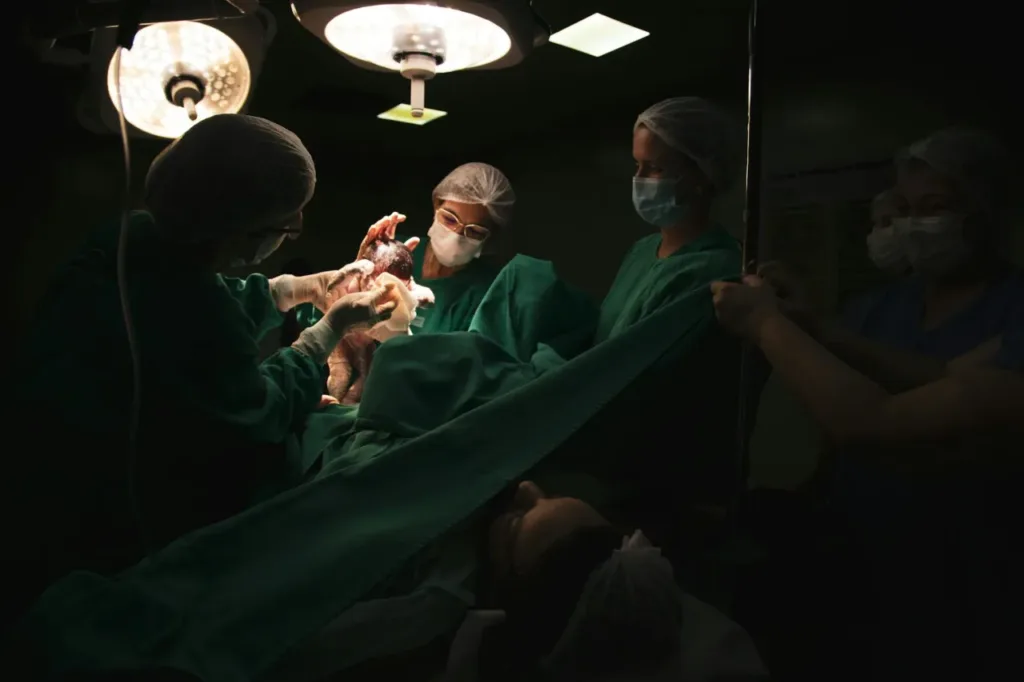
A delayed cesarean delivery is defined by a postponement of an indicated operative delivery beyond accepted clinical timeframes, resulting in increased maternal or neonatal risk. Timing thresholds vary by indication, facility resources, and patient factors, but many clinicians use the decision-to-incision interval as a primary metric. For emergent categories, such as Category 1 fetal compromise, the commonly cited benchmark is a decision-to-incision interval under 30 minutes.
Deviation from these benchmarks is not automatically negligent, clinical context matters, including stability, anesthesia availability, and transport logistics. When adverse outcomes follow a prolonged interval, investigators analyze whether actions met the standard of care, and those findings may contribute to a Delayed C-Section Lawsuit if substandard delays are identified.
Common clinical causes of delay
Delays can stem from system-level failures, such as unavailable operating room space, staffing shortages, or inefficient communication between obstetrics and anesthesia teams. Equipment problems, transfer delays from labor to surgery, and incomplete documentation that slows decision-making are frequent contributors.
Clinical misjudgment is another cause, when fetal monitoring is misinterpreted or the severity of maternal conditions like placental abruption is underestimated. Administrative and logistical barriers sometimes compound clinical error, and such combined failures often form the factual basis for a Delayed C-Section Lawsuit when injury occurs.
Signs and symptoms indicating an urgent need for C-section
Recognizing urgent indications is critical. Persistent severe fetal heart rate abnormalities, recurrent late decelerations, loss of variability, or bradycardia are classic signs of fetal compromise and may mandate immediate cesarean delivery. Worsening maternal hemorrhage, severe preeclampsia with end-organ dysfunction, and uterine rupture present clear clinical triggers.
Clinicians must act on these signs promptly, documenting rationale and timelines. Failure to respond to progressive deterioration can worsen outcomes and strengthen the procedural and causal link in a Delayed C-Section Lawsuit. The next section will examine legal elements and evidence needed to pursue such claims.
Medical harms from delayed C-sections and their long-term effects
Maternal complications (hemorrhage, infection, uterine rupture)
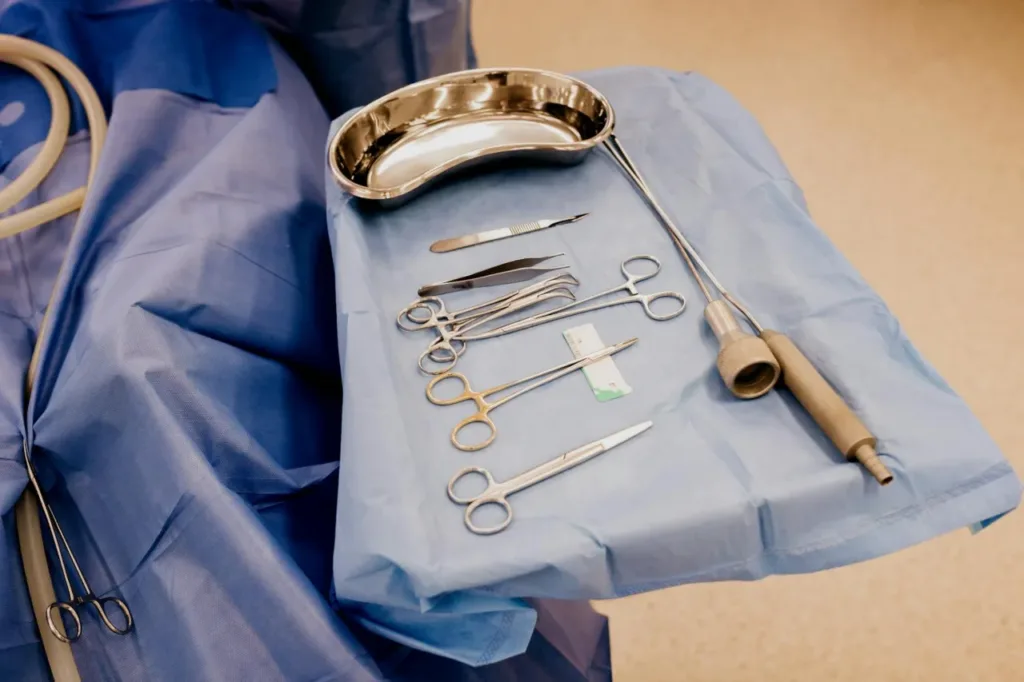
When a cesarean delivery is unreasonably delayed, the mother faces increased risk of severe postpartum hemorrhage, which can require transfusion, hysterectomy, or intensive care. Delays that allow bleeding to progress are frequently cited in a Delayed C-Section Lawsuit as a proximate cause of excess morbidity.
Infection risk rises with prolonged labor and ruptured membranes, translating into endometritis, sepsis, and prolonged hospitalization. Uterine rupture is a catastrophic event, especially in women with prior uterine surgery, and delayed surgical action is a common allegation in litigation alleging preventable maternal injury.
Neonatal injuries (asphyxia, hypoxic-ischemic encephalopathy, cerebral palsy)
Fetal distress that is not promptly addressed can result in acute perinatal asphyxia, which elevates the probability of hypoxic-ischemic encephalopathy. Clinicians, charting, and response times are scrutinized in medical reviews and in a Delayed C-Section Lawsuit when birth oxygenation is compromised.
Severe or sustained hypoxia may produce neuronal injury and increase long-term risk for conditions such as cerebral palsy, developmental delay, and seizure disorders. Neonatal outcomes depend on duration and severity of insult, as well as the timeliness of resuscitation and neuroprotective care.
Prognosis, rehabilitation, and long-term care needs
Prognosis varies from full recovery to permanent disability, driven by the degree of initial injury and time to intervention. Many families face lifelong medical, educational, and assistive needs, and these projected costs are central to damages claimed in a Delayed C-Section Lawsuit.
Rehabilitation may include physical, occupational, and speech therapy, with multidisciplinary care for complex cases. Detailed medical documentation of prognosis and projected care supports both clinical planning and legal claims, and this discussion leads into an analysis of timing and evidence required for successful litigation.
Legal theories used in delayed C-section lawsuits
When a birth goes wrong because operative delivery was unreasonably postponed, plaintiffs advance several legal theories to establish liability. Families and injured patients may bring a lawsuit known as a Delayed C-Section Lawsuit after documenting harm, timelines, and departures from accepted clinical practice. The claim selection depends on clinical facts, available records, and admissions by care providers.
Medical negligence and breach of the standard of care
The core claim in most cases is medical negligence, which requires proof of duty, breach, causation, and damages. Plaintiffs rely on expert obstetric testimony to explain accepted monitoring, interpretation of fetal tracings, and the urgency thresholds that should have triggered operative delivery.
Failure to act in a timely manner, misinterpretation of electronic fetal monitoring, or delayed response to maternal hemorrhage can show a breach. These elements are central to a Delayed C-Section Lawsuit and determine whether a provider’s conduct fell below the community standard.
Failures of informed consent and documentation lapses
Separate claims can arise from inadequate informed consent and poor documentation. If clinicians did not disclose risks, alternatives, or did not obtain consent under emergent conditions consistent with law, plaintiffs may assert autonomy and disclosure violations.
Charting gaps, inconsistent operative notes, missing timestamped orders, and absent escalation communications often support these allegations. When consent is inadequate, families commonly pursue a Delayed C-Section Lawsuit to recover for loss of decision making and related harms.
Hospital liability, vicarious liability, and corporate negligence
Hospitals may face vicarious liability under respondeat superior for actions of employed staff, and corporate negligence for system defects. Claims target inadequate staffing, deficient policies, poor on-call coverage, and failure to train or credential providers for obstetric emergencies.
Equipment shortages and flawed escalation protocols can convert individual errors into institutional responsibility. Systemic failures often underpin a Delayed C-Section Lawsuit and expand potential defendants beyond the attending clinician.
Understanding these legal theories is essential when evaluating a potential Delayed C-Section Lawsuit. Next, we examine the types of evidence and expert testimony required to prove these claims.
Pursuing compensation: procedures, damages, and timeline
Calculating economic, non-economic, and punitive damages
Economic damages quantify measurable losses, including current and future hospital bills, rehabilitation costs, prescription expenses, and lost wages. Courts rely on billing records, vocational assessments, and actuarial reports to project lifelong care needs, and plaintiffs often highlight medical records to support precise valuations in a Delayed C-Section Lawsuit.
Non-economic damages compensate for pain, suffering, loss of consortium, and emotional distress. Attorneys commonly use multiplier or per diem frameworks to translate subjective harm into a monetary value, and juries weigh severity, permanency, and the plaintiff’s age. Expert affidavits and the plaintiff’s testimony both influence awards in a Delayed C-Section Lawsuit.
Punitive damages aim to punish egregious conduct and deter future wrongdoing. These are uncommon in obstetric negligence claims and require evidence of willful disregard or malice by the provider. When sought in a Delayed C-Section Lawsuit, punitive claims add complexity and often trigger additional discovery and constitutional scrutiny.
Statute of limitations, notice requirements, and pre-suit obligations
Statutes of limitations differ by state and typically run from the date of injury or discovery, often one to three years. Tolling rules for minors and doctrines like continuous treatment can extend filing windows, so early case assessment is critical in a Delayed C-Section Lawsuit.
Claims against public hospitals or government-employed clinicians may require formal notice periods and administrative claims before filing in court. Many jurisdictions mandate pre-suit steps such as independent medical review panels, expert affidavits, or written notices to healthcare institutions. Failure to satisfy these prerequisites can bar a claim in a Delayed C-Section Lawsuit.
Preservation of evidence is essential, preserve fetal monitoring strips, operative notes, and electronic records promptly. Missing or altered records weaken causation and damages arguments, and spoliation can lead to sanctions that affect case value in a Delayed C-Section Lawsuit.
Settlement negotiation, mediation, litigation, and trial considerations
Most obstetric cases resolve through settlement after exchange of medical records, liability opinions, and economic proofs. Early demand packages and settlement negotiations can produce favorable outcomes without trial, provided both sides have strong expert analysis for a Delayed C-Section Lawsuit.
If settlement fails, mediation and alternative dispute resolution offer structured opportunities to narrow issues before formal litigation. Discovery then expands evidence through depositions, expert reports, and motions in limine. Prepare for Daubert challenges to exclude unreliable expert testimony in a Delayed C-Section Lawsuit by retaining credentialed specialists early.
Trials require focused themes, demonstrable causation, and credible damages computations, and verdict timelines vary widely. Complex medical negligence cases often take one to three years from filing to trial, with appeals extending final resolution. Prompt legal consultation preserves rights and shapes strategy for a Delayed C-Section Lawsuit. Next, we will examine evidence preservation and expert selection strategies.
Conclusão
A delayed cesarean delivery can have profound clinical and legal consequences, and the core lessons from this article emphasize the need for timely recognition, thorough documentation, and expert analysis. Clinically, clear indicators such as nonreassuring fetal heart tracings, failure to progress, or maternal compromise should prompt rapid decision making to avoid hypoxic injury, infection, or long-term neurologic harm. Legally, viable claims typically rest on established standards of care, breach, causation, and demonstrable damages, supported by objective evidence like medical records, fetal monitoring strips, and expert testimony. Understanding these elements helps families and practitioners evaluate whether a delayed C-section resulted from negligence and the scope of potential compensation.
Practical next steps include securing complete medical records and imaging, preserving fetal monitoring data, and obtaining independent expert review to assess the timing and appropriateness of interventions. If you suspect harm, consult an attorney experienced in obstetric malpractice promptly, because statutes of limitation and procedural requirements can limit options. A Delayed C-Section Lawsuit generally follows a phase of investigation, demand, negotiation, and if necessary, litigation, with timelines that vary by jurisdiction. Early legal and medical coordination improves the chance of proving causation and maximizing recoverable damages, including medical costs, lost earnings, and compensation for pain and suffering.
If this conclusion helped clarify your options, please comment with questions or insights, share the article with others who may benefit, or apply the checklist of next steps to your situation. Timely action and informed guidance matter when pursuing accountability and compensation, reach out to qualified professionals to evaluate your case further.
Perguntas Frequentes
What is a Delayed C-Section Lawsuit and what legal grounds support filing one?
A Delayed C-Section Lawsuit is a medical malpractice claim alleging that a healthcare provider unreasonably delayed performing a cesarean delivery, resulting in harm to the mother or baby. Legal grounds typically include negligence and breach of the applicable standard of care — for example, failing to act on signs of fetal distress, prolonged labor, or abnormal monitoring strips. To prevail, the plaintiff must show breach, causation, and damages tied to the delay, often supported by expert medical testimony.
How do you prove causation and negligence in a Delayed C-Section Lawsuit?
Proving negligence and causation generally requires contemporaneous medical records, fetal heart tracing strips, operative notes, and expert testimony linking the delay to the specific injury. An expert obstetrician will review the chart and opine whether the standard of care was breached and whether that breach more likely than not caused the harm. Courts and juries decide based on a preponderance of evidence, and in most jurisdictions an expert affidavit or report is required before filing suit.
What types of damages can be recovered in a Delayed C-Section Lawsuit?
Plaintiffs can seek economic damages such as past and future medical expenses, rehabilitative costs, and lost earnings, plus non-economic damages like pain and suffering, loss of enjoyment of life, and emotional distress. In cases involving permanent disability or cerebral palsy, future care and lifetime costs can be substantial and require vocational and life-care experts. Wrongful death or survival actions may provide additional recovery where fetal or neonatal death occurred; punitive damages are rare and require egregious conduct.
How long do I have to file a medical malpractice claim after a delayed C-section?
The statute of limitations varies by state but commonly ranges from one to three years from the date of injury or from when the injury was discovered or should reasonably have been discovered (the discovery rule). There are often different rules for claims against government hospitals and special tolling provisions for minors that can extend deadlines. Because timing rules are strictly enforced, you should preserve evidence and consult an attorney promptly to avoid losing the right to sue.
What evidence is needed to support a claim for compensation after a delayed C-section?
Essential evidence includes complete medical records, fetal monitoring strips (CTG/EFM), labor and delivery nursing notes, operative reports, and any communications about the patient’s condition or decision-making. Photographs, billing statements, documented lost wages, and witness declarations from family or staff can strengthen the timeline and demonstrate damages. A qualified medical expert’s report tying the delay to the injury and estimating future care needs is typically critical to proving liability and quantifying compensation.
How much is a Delayed C-Section Lawsuit worth?
Value depends on the severity and permanency of injuries, the cost of past and future medical care, lost earnings, and non-economic losses like pain and suffering, so outcomes vary widely from modest settlements to multi-million-dollar awards in catastrophic cases. Claims involving lifelong disabilities such as cerebral palsy generally produce higher damages because of substantial future care and lost earning capacity. An attorney can review your records and provide a case-specific valuation after consulting medical and economic experts.
