
HIE Brain Injury Settlement refers to the financial compensation awarded to families when a child suffers hypoxic-ischemic encephalopathy due to oxygen deprivation at or around birth. If você is seeking this settlement, this article explains how claims are built, what affects payout amounts, and how to pursue maximum family compensation.
📋 Neste artigo
- What Hypoxic-Ischemic Encephalopathy (HIE) Means for Your Child
- Proving Medical Liability in HIE Birth Injury Claims
- How Damages Are Calculated in HIE Settlements
- Gathering Evidence and Expert Testimony to Strengthen Your Case
- Conclusão
- Perguntas Frequentes
- What is an HIE Brain Injury Settlement and how does it relate to birth injury claims?
- How are HIE Brain Injury Settlement amounts calculated?
- How long does it typically take to resolve an HIE Brain Injury Settlement?
- What evidence is needed to prove an HIE birth injury claim?
- Can families maximize an HIE Brain Injury Settlement without going to trial?
- What is the statute of limitations for filing an HIE birth injury lawsuit?
Hypoxic-ischemic encephalopathy can change a child’s life and your family finances overnight, with long term medical care, therapies, and support needs. This HIE Brain Injury Settlement is not only a legal matter, it is deeply personal, and você deserves clear guidance on the practical and emotional stakes involved. Understanding the medical realities helps you make informed decisions about legal recourse and future planning.
Proving medical liability in HIE birth injury claims requires careful collection of medical records, expert interpretation of fetal monitoring and delivery decisions, and demonstration that a provider’s actions fell below accepted standards of care. The HIE Brain Injury Settlement evidence and expert testimony you secure shape the strength of your claim and the settlement range you can expect. Acting promptly preserves critical documentation and supports a stronger case for você and your child.
I will show you actionable steps to secure maximum family compensation and explain how damages are calculated. The HIE Brain Injury Settlement following sections break down What Hypoxic-Ischemic Encephalopathy (HIE) Means for Your Child, Proving Medical Liability in HIE Birth Injury Claims, and How Damages Are Calculated in HIE Settlements, so você can pursue a well supported settlement tailored to lifelong needs.
What Hypoxic-Ischemic Encephalopathy (HIE) Means for Your Child
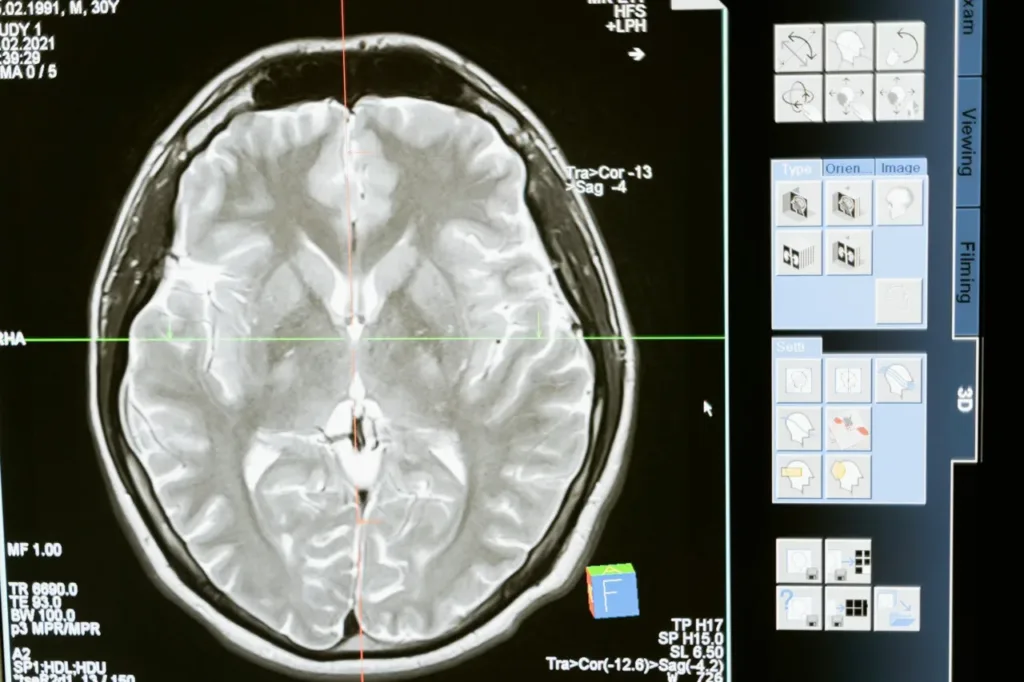
Hypoxic-ischemic encephalopathy is brain injury caused by oxygen deprivation around the time of birth. Families HIE Brain Injury Settlement face urgent medical decisions and long term planning when this diagnosis is made.
Causes and intrapartum risk factors
HIE can arise from a range of perinatal events, including prolonged labor, umbilical cord prolapse, placental abruption, or severe maternal hypotension. Clinical HIE Brain Injury Settlement records that show abnormal fetal heart tracings or delayed response to resuscitation are critical to establishing causation.
Obstetric management errors increase risk and can affect liability. Documentation such as operative notes and staffing logs often features in claims, and objective findings may strengthen an HIE Brain Injury Settlement when negligence is alleged.
Neonatal signs and diagnostic testing
Newborns with HIE often present with low Apgar scores, respiratory failure, poor muscle tone, altered consciousness, or seizures. Early HIE Brain Injury Settlement recognition guides whether therapeutic hypothermia is indicated, which can reduce some injury but is not always fully protective.
Diagnostic imaging, especially neonatal MRI, and continuous EEG are central to prognosis and to legal case building. High quality imaging that correlates with clinical signs can be decisive evidence in an HIE Brain Injury Settlement when demonstrating timing and severity of injury.
Short- and long-term developmental outcomes
Short term outcomes vary from full recovery to multi organ complications and persistent neurological deficits. Motor HIE Brain Injury Settlement delays, cerebral palsy, cognitive impairment, and epilepsy are among the common long term consequences that influence medical needs and lifetime cost estimates.
When pursuing compensation, detailed neurodevelopmental assessments, therapy records, and expert projections of future care inform value. Attorneys use projected education, assistive technology, and rehabilitative needs to quantify damages in an HIE Brain Injury Settlement and to argue for structured awards.
Meticulous collection of NICU charts, follow up evaluations, and perinatal records helps families demonstrate the link between events at birth and later disability, bolstering settlement negotiations and trial preparation. Continue to the next section to learn how claims are assembled and what evidence matters most.
Proving Medical Liability in HIE Birth Injury Claims
Proving liability in cases of perinatal hypoxia requires a disciplined review of contemporaneous records, expert interpretation, and a clear timeline. Families seeking compensation must show that care fell below accepted standards and that the breach caused the child’s brain injury, which is central to obtaining an HIE Brain Injury Settlement in many claims.
Applicable standard of care in labor and delivery
The applicable standard of care is the benchmark against which clinicians are judged, based on what a reasonably competent obstetric team would have done under similar circumstances. Documentation such as fetal heart rate strips, nursing notes, and operative reports are compared to accepted protocols for monitoring, escalation, and operative delivery. Expert witnesses in obstetrics will testify about timely recognition of nonreassuring tracings, appropriate use of intrauterine resuscitative measures, and indications for urgent cesarean delivery, factors that strongly influence the plausibility of an HIE Brain Injury Settlement.
Common negligent events (monitoring errors, delayed C-section, inadequate resuscitation)
Typical negligent events include failure to properly interpret electronic fetal monitoring, delayed decision making for cesarean delivery after signs of profound or persistent fetal distress, and inadequate neonatal resuscitation at birth. Monitoring errors often involve missed or misclassified decelerations and missed patterns of worsening variability. Delay in operative delivery can allow a reversible hypoxic event to progress, and poor neonatal resuscitation can convert a transient insult into permanent injury, all issues documented and argued in pursuit of an HIE Brain Injury Settlement.
Establishing causation between negligence and brain injury
Establishing causation requires connecting the negligent act to the timing and pattern of brain injury. Magnetic resonance imaging that shows watershed or basal ganglia injury consistent with peripartum hypoxia, low cord blood gases, severely low Apgar scores, and placental pathology provide objective linkage. Expert testimony integrates these data with the clinical timeline to show that, but for the breach, the hypoxic event would likely have been avoided or mitigated, which supports quantifying damages in an HIE Brain Injury Settlement.
With liability, negligent acts, and causation defined, the next section explains how damages are calculated and what factors most affect settlement value.
How Damages Are Calculated in HIE Settlements
Economic damages: past and projected medical, therapy, and caregiving costs
Economic damages quantify the measurable financial losses a child will incur because of hypoxic brain injury. This HIE Brain Injury Settlement includes past medical bills, current therapy expenses, durable medical equipment, and necessary home modifications, each documented with bills and provider statements.
Future costs are projected using medical inflation rates, frequency of treatments, and life expectancy estimates, then converted to present value by forensic economists. These components are quantified and presented as a present value in an HIE Brain Injury Settlement.
Non-economic damages: pain, suffering, and diminished quality of life
Non-economic damages compensate for intangible harms such as pain, suffering, loss of enjoyment of life, and diminished cognitive or motor function. Because HIE Brain Injury Settlement these losses lack invoices, experts rely on testimony, daily care records, and case law to communicate severity.
Negotiators use multipliers, per diem models, and comparisons to comparable pediatric verdicts to arrive at a figure. Jurors and negotiators often consider lifetime impact when evaluating an HIE Brain Injury Settlement for a child.
Valuation tools: life-care plans, loss of earning capacity, and settlement benchmarks
A detailed life-care plan is used to support future cost estimates in an HIE Brain Injury Settlement. Clinicians, therapists, and vocational experts contribute line-item projections for therapy frequency, assistive technology, and caregiver support over each life stage.
Economists then convert future losses, including loss of earning capacity, into present value using discount rates and mortality tables to justify a settlement demand. Benchmarks from similar cases, published verdict databases, and regional settlement patterns inform realistic ranges for negotiation.
Together, these valuation tools produce a defensible damages demand that aligns medical needs with legal standards and jury expectations. Next, we will examine the evidence and experts needed to substantiate these calculations in settlement talks.
Gathering Evidence and Expert Testimony to Strengthen Your Case
Critical records: fetal heart tracings, delivery notes, and neonatal charts
Medical records are the backbone of any claim, and fetal heart tracings are among the most probative items. Obtain continuous electronic monitoring strips, labor flow sheets, and delivery notes to document patterns of deceleration, tachycardia, or prolonged bradycardia, and to show responses or delays in clinical interventions.
Neonatal charts complete the picture by recording Apgar scores, cord blood gases, and resuscitation details. When these documents are linked to treatment timelines, they provide direct support for causation and damages seen in an HIE Brain Injury Settlement.
Essential experts: neonatologists, obstetricians, neurologists, life-care planners, and economists
Expert witnesses translate records into medical conclusions. Neonatologists assess newborn physiology and long term prognosis, while obstetricians evaluate intrapartum management and deviations from standard care. Neurologists interpret neurodevelopmental impact and likely trajectories.
Economic and life-care planners quantify lifetime costs, therapies, and educational supports, and can model future needs that influence settlement value. Together, these specialists form a multidisciplinary team that substantiates claims for an HIE Brain Injury Settlement.
Independent medical review, timelines, imaging interpretation, and demonstrative exhibits
An independent medical review reduces dispute over causation, it provides objective analysis of the record and highlights omissions or mismanagement. Build a precise timeline from triage to delivery and neonatal stabilization to expose windows when different actions could have altered outcomes.
High-resolution imaging, with expert interpretation, links clinical events to patterns of hypoxic injury on MRI or ultrasound. Use clear demonstrative exhibits and animations to show injury mechanisms, prognosis, and cost projections, they make complex data accessible to juries and adjusters, and they strengthen demand packages for an HIE Brain Injury Settlement.
Collect and organize these elements early, prioritize preservation of monitoring strips and original records, and retain specialists who can connect the dots between care deviations and lifelong needs. The next section will explain strategic negotiation and settlement valuation techniques.
Conclusão
The implications of Hypoxic-Ischemic Encephalopathy for a child and the family are profound, requiring both clinical understanding and legal precision. Key takeaways include recognizing the medical markers that establish an HIE diagnosis, the standards needed to prove medical liability, and the components that drive compensation, such as future care costs, lost earning capacity, and non-economic damages. Building a robust record through timely documentation, diagnostic imaging, and expert witness opinions increases the strength of a claim. Early case assessment helps preserve evidence, clarify liability theories, and set realistic expectations for outcomes and timelines.
Practical next steps focus on action and organization. Preserve medical records and obtain clear contemporaneous notes from treating clinicians, consult a specialized birth injury attorney to evaluate causation and liability, and retain life care planners and medical experts to quantify future needs. For families pursuing an HIE Brain Injury Settlement, prioritize demonstrable economic projections, independent expert reports, and settlement negotiation strategies that reflect lifetime care costs. Be prepared to litigate if necessary, use mediation to explore resolution, and maintain meticulous financial and medical documentation to support higher valuation of damages.
If this conclusion helped clarify priorities, consider applying these steps to your case plan, share the article with others facing similar challenges, or comment below with questions about evidence gathering or settlement strategies. Engaging with experienced counsel and clinical experts early can materially affect compensation and long term care options, so reach out and start the process when you are ready.
Perguntas Frequentes
What is an HIE Brain Injury Settlement and how does it relate to birth injury claims?
An HIE Brain Injury Settlement is a legal resolution where a defendant (often a hospital or clinician) pays compensation to a family for brain damage caused by hypoxic-ischemic encephalopathy during birth. In birth injury claims the settlement resolves liability and damages without a trial, typically reflecting the costs of medical care, lost earnings, and pain and suffering tied to the HIE diagnosis. Establishing a settlement requires proving causation and breach of the standard of care through medical records and expert testimony. The goal is to secure funds sufficient for the child’s lifetime medical and support needs.
How are HIE Brain Injury Settlement amounts calculated?
Settlement amounts are calculated based on economic damages (future medical care, specialized education, assistive devices, and lost earning capacity) and non-economic damages (pain, suffering, and reduced quality of life). Life-care plans, actuarial tables, vocational assessments, and expert medical opinions quantify future needs and costs, while jurisdictional caps and comparative fault can alter recoverable sums. Attorneys and economists assemble a demand package that converts clinical prognosis into present-value monetary terms. Negotiations also consider the defendant’s liability exposure and the strength of causation evidence.
How long does it typically take to resolve an HIE Brain Injury Settlement?
Resolution timelines vary widely depending on case complexity, evidence collection, and whether parties pursue pre-litigation negotiation or full litigation. Straightforward cases with clear causation can settle in several months, but contested cases requiring expert discovery, depositions, and trial preparation often take one to three years or longer. Mediation and early expert reports can accelerate resolution, while disputes over future care estimates or liability prolong the process. Families should plan for extended timelines when estimating access to settlement funds.
What evidence is needed to prove an HIE birth injury claim?
Proving an HIE birth injury claim requires comprehensive hospital records (labor and delivery notes, fetal heart tracings, medication logs), neonatal records, and diagnostic imaging such as MRI showing hypoxic-ischemic injury. Expert testimony from obstetricians, neonatologists, and pediatric neurologists is essential to link the injury to a deviation from the standard of care and to establish causation and prognosis. Documentation of ongoing care needs, therapy records, and life-care planning help quantify damages. Chain-of-custody for records and timely preservation of fetal monitoring strips are often critical evidentiary elements.
Can families maximize an HIE Brain Injury Settlement without going to trial?
Yes — many families obtain optimal settlements through strategic pretrial preparation and negotiation that demonstrate the strength of their case without incurring trial risks. Key tactics include retaining experienced counsel, assembling a robust demand package with life-care plans and economic projections, deploying persuasive expert reports, and engaging in early mediation. Avoiding trial reduces litigation costs and scheduling uncertainties, but counsel must be willing to litigate if settlement offers undervalue future needs. A well-documented file that credibly quantifies lifetime care needs typically yields higher settlement outcomes.
What is the statute of limitations for filing an HIE birth injury lawsuit?
The statute of limitations for birth injury lawsuits varies by state and can range from one to several years, often measured from the date of injury or from the date the injury was discovered. Many jurisdictions have special tolling provisions for minors that extend the filing period until the child reaches adulthood, but procedural deadlines still exist for medical malpractice claims. Because deadlines and discovery rules differ widely, families should consult an attorney promptly to preserve claims and ensure timely expert review. Missing the applicable limitation period can bar recovery regardless of case merit.
